






March 31, 2026 | Uncategorized
Commuting from Pickering to Toronto by GO Train: Everything You Need to Know

Commuting from Pickering to Toronto GO Train is faster and more affordable than most people expect. Pickering has become one of the most popular destinations for Toronto commuters looking to find more space, better value, and a quieter lifestyle without giving up access to the city. If you are considering moving to Pickering or are already a resident, understanding your commute options is essential — and the GO Train is at the heart of that conversation.
This comprehensive guide covers everything you need to know about commuting from Pickering to Toronto by GO Train, including travel times, fares, station information, tips for commuters, and how the commute compares to other options.
Why So Many GTA Residents Choose Pickering
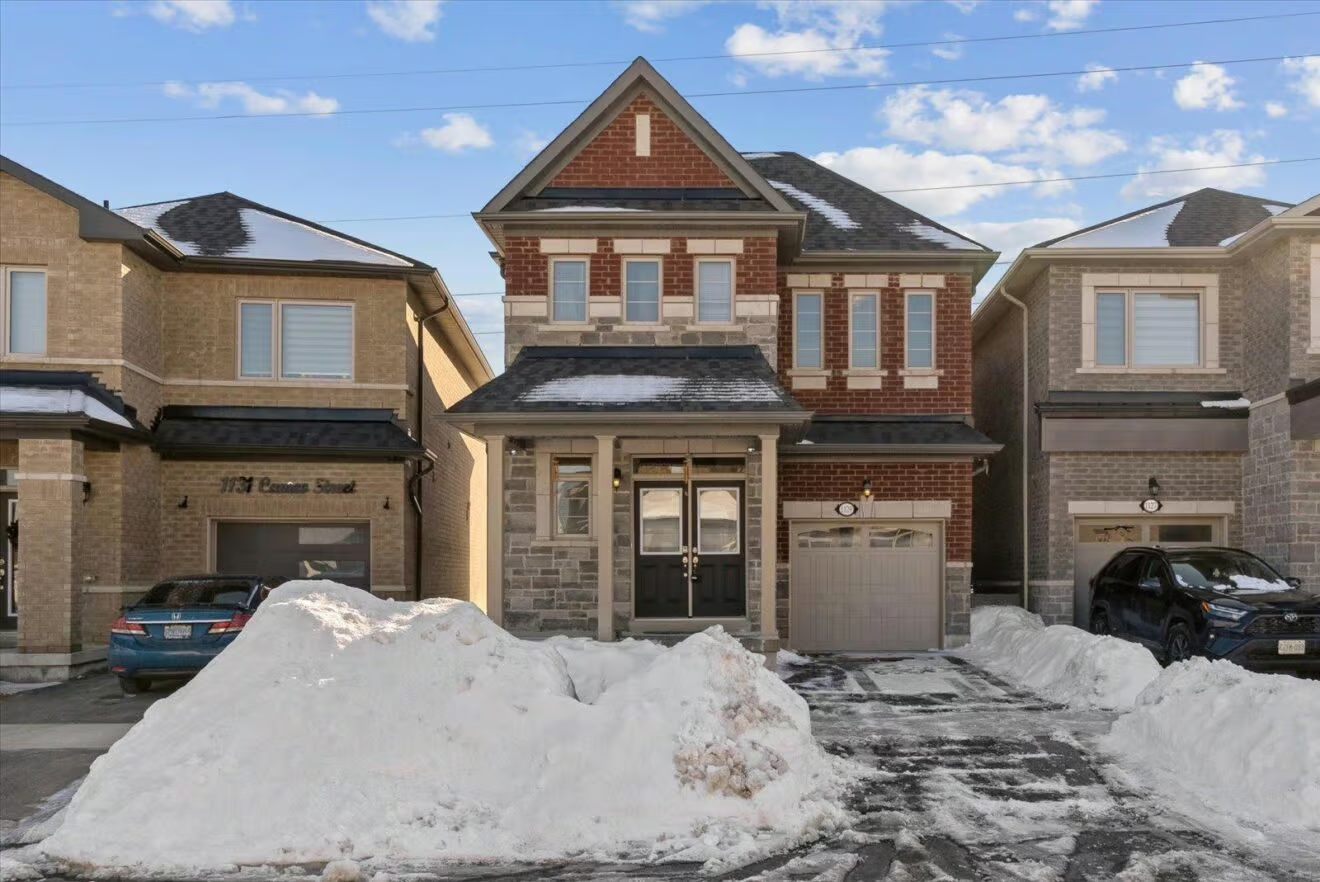
Pickering offers significantly more home for the money compared to Toronto and inner suburbs like Scarborough and North York. Detached homes, larger lots, and newer construction are all more accessible in Pickering. At the same time, the city is close enough to Toronto that a daily commute by GO Train is not only feasible but comfortable.
Pickering is part of the Durham Region and sits on the eastern edge of the Greater Toronto Area. Its proximity to Highway 401 and the Lakeshore East GO corridor makes it one of the most transit-connected communities east of Toronto.
Pickering GO Station: What You Need to Know
The Pickering GO Station is located at 1550 Kingston Road in Pickering, just off the Kingston Road and Liverpool Road intersection. The station is part of the Lakeshore East GO line, which runs between Oshawa and Union Station in downtown Toronto.
The station offers ample surface parking (both free and paid depending on time of arrival and season), a bus terminal connecting to Durham Region Transit routes, covered waiting areas, and accessibility features for riders with mobility needs. Kiss-and-ride areas are also available for quick drop-offs.
How Long Is the GO Train Ride from Pickering to Toronto?
The GO Train ride from Pickering GO Station to Union Station takes approximately 35 to 45 minutes, depending on the time of day and the specific train. Express trains during peak hours make fewer stops and can be slightly faster, while off-peak trains may take a few minutes longer.
This is a highly competitive commute time. By comparison, driving from Pickering to downtown Toronto during rush hour on the 401 can easily take 60 to 90 minutes or more, and the drive is far more stressful. The GO Train eliminates that stress and gives you productive time to work, read, or relax.
GO Train Schedule: Pickering to Union Station
The Lakeshore East line operates frequent service during peak periods. During the morning rush (approximately 6 AM to 9 AM), trains depart Pickering GO Station roughly every 15 to 30 minutes heading westbound toward Union Station. In the evening rush (approximately 4 PM to 7 PM), return trains run similarly frequently.
Metrolinx has been expanding service on the Lakeshore East corridor as part of its regional express rail initiatives. As of 2026, off-peak and weekend service has improved compared to prior years, making GO Train commuting more viable for those with non-traditional work schedules.
Always check the current schedule on the GO Transit website (gotransit.com) or the Triplinx app, as schedules are subject to change with service upgrades and seasonal adjustments.
GO Train Fares: Pickering to Toronto in 2026
GO Transit uses a distance-based fare system. The fare from Pickering GO Station to Union Station is currently in the range of approximately $7 to $9 per trip, depending on current Metrolinx pricing. Monthly pass holders receive a significant discount. The PRESTO card is the standard payment method for GO Transit and provides a 25-cent discount per trip over cash fares.
For the most current fares, visit the official GO Transit website or use the PRESTO app. Fares are subject to periodic adjustments. Monthly pass savings can reduce per-trip costs significantly for daily commuters.
Tips for Commuting from Pickering to Toronto by GO Train
Arrive Early for Parking
Pickering GO Station parking fills up quickly during peak hours, especially the free lots. Arriving 15 to 20 minutes before your train is recommended if you plan to drive and park. Alternatively, consider cycling to the station, taking a Durham Region Transit bus, or being dropped off to avoid parking stress.
Use a PRESTO Card
Loading the PRESTO card and using it consistently gives you access to discounts and allows you to easily track your spending and manage a monthly pass. The PRESTO app lets you manage your account from your phone.
Take Advantage of the Upper Deck for Quiet Rides
GO Train bi-level coaches offer upper and lower decks. The upper deck is generally quieter and a preferred spot for commuters who want to work on their laptops or simply enjoy a peaceful ride. Window seats in the upper deck offer great views along the Lakeshore.
Plan Your Downtown Connections in Advance
Once you arrive at Union Station, you have excellent access to the TTC subway (Lines 1 and 2), the PATH underground walkway system, and various surface streetcar and bus routes. The subway’s Line 1 (Yonge-University) departs directly from Union Station, making connections to offices throughout the downtown core quick and easy.
Pickering to Toronto by GO Train vs Driving
For most commuters heading to downtown Toronto, the GO Train is the superior option compared to driving for several reasons. The GO Train takes approximately 35 to 45 minutes regardless of traffic, while driving can range from 45 minutes to over 90 minutes depending on conditions. Parking in downtown Toronto costs $25 to $45 per day, while GO parking is far less. The GO Train also eliminates the stress of highway driving and gives you usable commute time. However, for commuters heading to locations outside the downtown core or areas not well-served by transit, driving or park-and-drive may be more practical.
Other Commute Options from Pickering to Toronto
Durham Region Transit
Durham Region Transit (DRT) operates several bus routes that connect Pickering neighbourhoods to the Pickering GO Station. Routes also connect Pickering to Scarborough, making them useful for commuters heading to destinations east of the downtown core.
Driving via Highway 401
Highway 401 provides direct highway access from Pickering westbound to Toronto. The 401 can be heavily congested during peak rush hours. Commuters heading to midtown or uptown Toronto may find the 401 combined with the Don Valley Parkway or other arterials to be practical, particularly for those with flexible schedules.
Living in Pickering: The Commuter’s Perspective
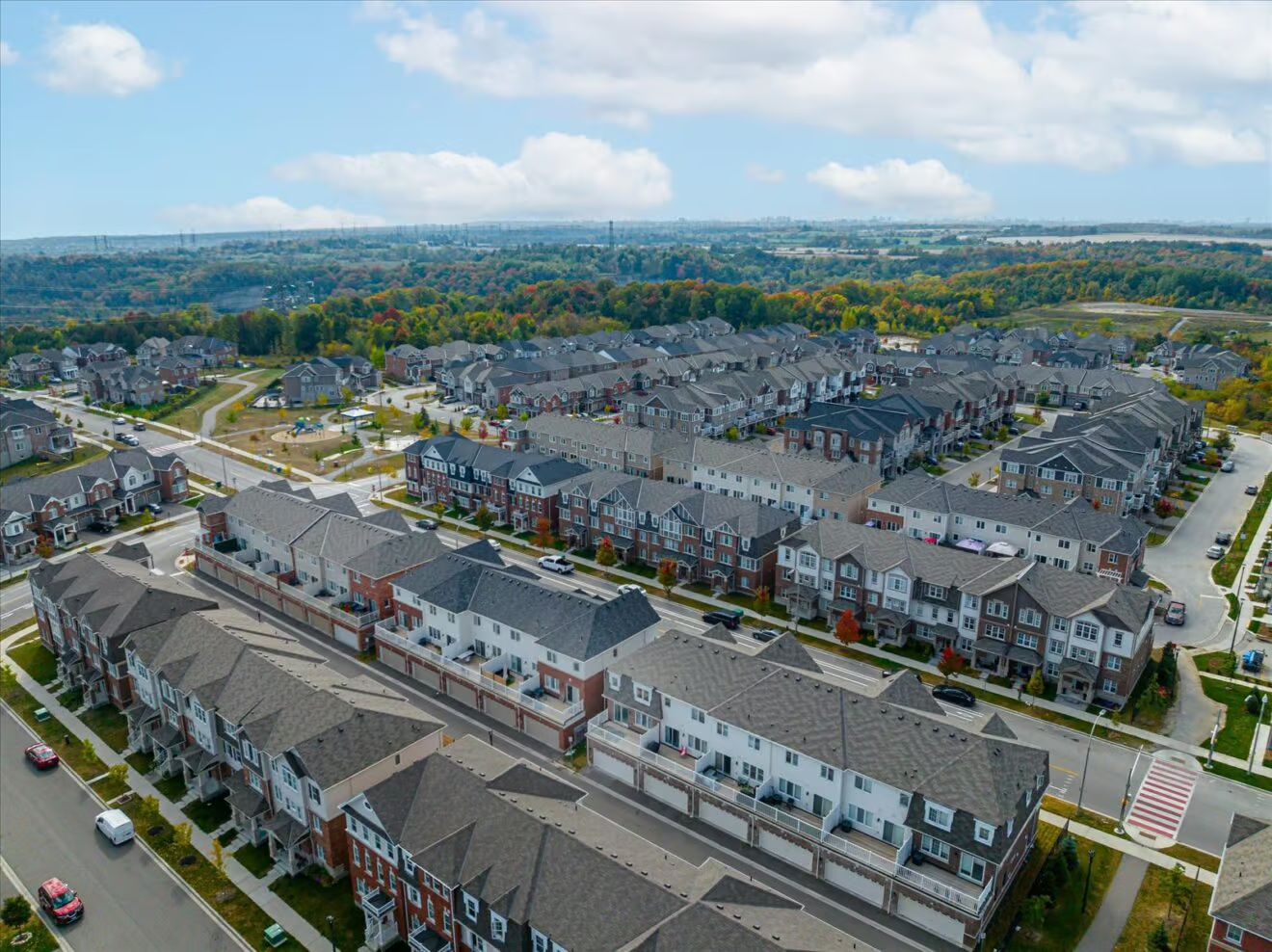
For buyers who work in downtown Toronto but want more space and value, Pickering offers an excellent balance. The GO Train commute is manageable, affordable, and predictable. Many Pickering residents find that the lower cost of housing more than offsets the cost and time of commuting, especially when factoring in the larger homes, quieter neighbourhoods, and proximity to green spaces and the waterfront.
Neighbourhoods closest to the Pickering GO Station, such as Bay Ridges, Liverpool, and the City Centre area, offer particularly convenient walking or cycling access to the station. New condo and townhome developments in Pickering’s City Centre are specifically designed to appeal to transit-oriented commuters.
Frequently Asked Questions
How many GO Train trips per day run from Pickering to Union Station?
During weekdays, there are typically 20 or more westbound departures from Pickering GO Station heading toward Union Station, with the majority concentrated during morning and afternoon peak hours. Always check the current GO Transit schedule for exact times.
Is there parking at Pickering GO Station?
Yes. Pickering GO Station has a large surface parking lot. Some spots are free, while others are designated paid parking. Arrive early to secure a spot, especially during weekday peak hours. Paid parking can be managed through the PRESTO parking app.
Can I bring my bike on the GO Train from Pickering?
Yes. Bicycles are permitted on GO Trains, subject to space availability and GO Transit’s current bike policy. During peak hours, some restrictions may apply. Folding bikes are generally more flexible. Check the GO Transit website for current bike-on-board rules.
Final Thoughts
Commuting from Pickering to Toronto by GO Train is one of the most practical and comfortable transit options in the Greater Toronto Area. With a 35 to 45 minute ride to Union Station, frequent peak service, and significantly lower housing costs compared to Toronto, Pickering is an excellent choice for professionals who want more home for their money without sacrificing access to the city.
If you are considering buying a home in Pickering or the Durham Region and want to understand how the commute fits your lifestyle, Team Rajpal specializes in helping buyers find the right home in communities that match both their family needs and their daily commute. Contact us today to learn more.

Have Questions?
Reach out to our experts! Whether you need help with a transaction or you’re just looking for market information, we’re here to help.