





April 27, 2026 | Uncategorized
Downsizing Your Home in Ontario: A Guide for Empty Nesters
The kids have moved out, and that four-bedroom home suddenly feels too large, too expensive to maintain, and too much work to keep up. If this sounds familiar, you’re among the many Ontario empty nesters considering downsizing. Moving to a smaller, more manageable home can free up significant equity, reduce monthly expenses, and open up a new, exciting chapter of life. Here’s a comprehensive guide to downsizing your home in Ontario.
Why Downsize? The Benefits for Empty Nesters
Downsizing isn’t just about moving to a smaller space — it’s about right-sizing your life for your current needs and goals. The benefits are compelling. You can unlock substantial home equity that has built up over the years, potentially giving you a significant lump sum to supplement retirement income, invest, or use for travel and experiences. Monthly expenses go down: lower utility bills, smaller property taxes, reduced maintenance costs, and sometimes the elimination of a mortgage entirely if you’re moving to a less expensive property.
There’s also the lifestyle angle. A smaller, newer, or more efficiently designed home often requires far less time and energy to maintain, freeing you up to focus on the things you truly enjoy. And for many empty nesters, moving to a condo, bungalow, or townhome in a vibrant community creates wonderful new social opportunities.
When Is the Right Time for Downsizing Your Home in Ontario?
There’s no universal “right” time, but many empty nesters find the following to be natural trigger points: when the last child leaves home, approaching or entering retirement, when home maintenance becomes burdensome, when the family home no longer fits the lifestyle you want, or when you want to unlock equity for retirement planning.
The Ontario real estate market can also influence timing. Selling during a strong seller’s market maximizes the equity you unlock, while buying during a softer buyer’s market can stretch that equity further. Working with an experienced local real estate agent helps you time the transaction strategically.
Where Should Empty Nesters Downsize in Ontario?
In the Greater Toronto Area and Durham Region, popular downsizing options include:
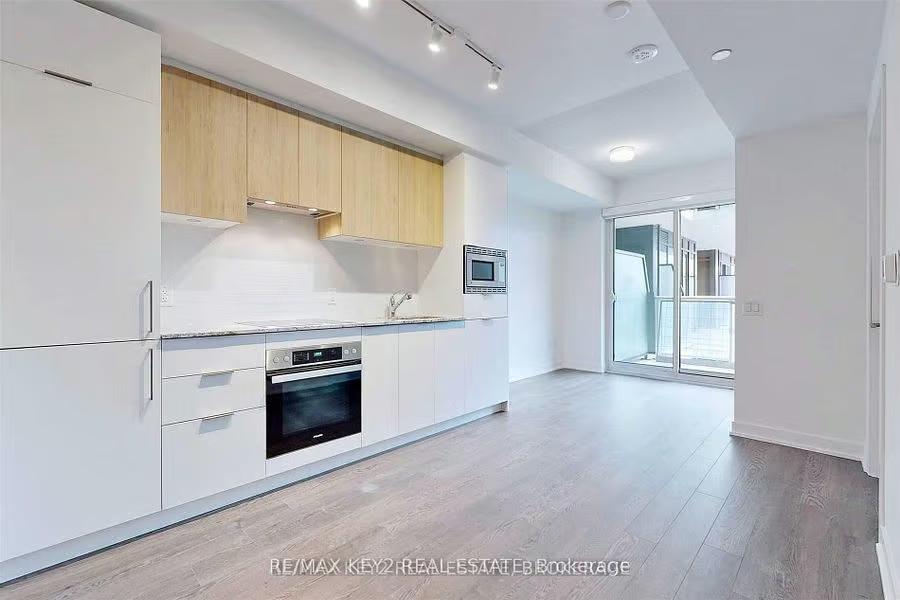
Condominiums: Perfect for those who want lock-and-leave convenience, building amenities, and a maintenance-free lifestyle. Condo living is particularly popular in Ajax, Whitby, Oshawa, and Pickering town centres, with proximity to shopping, restaurants, and transit.
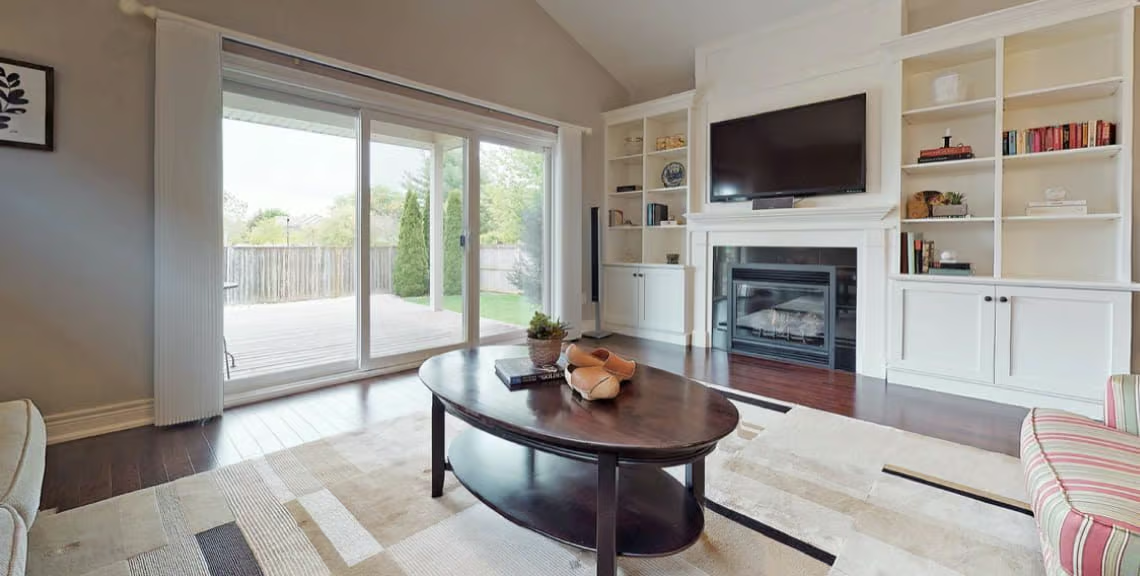
Bungalows: Single-story living eliminates the need for stairs and is a popular choice for those planning ahead for their senior years. Well-maintained bungalows in established Durham Region neighbourhoods tend to hold their value extremely well.
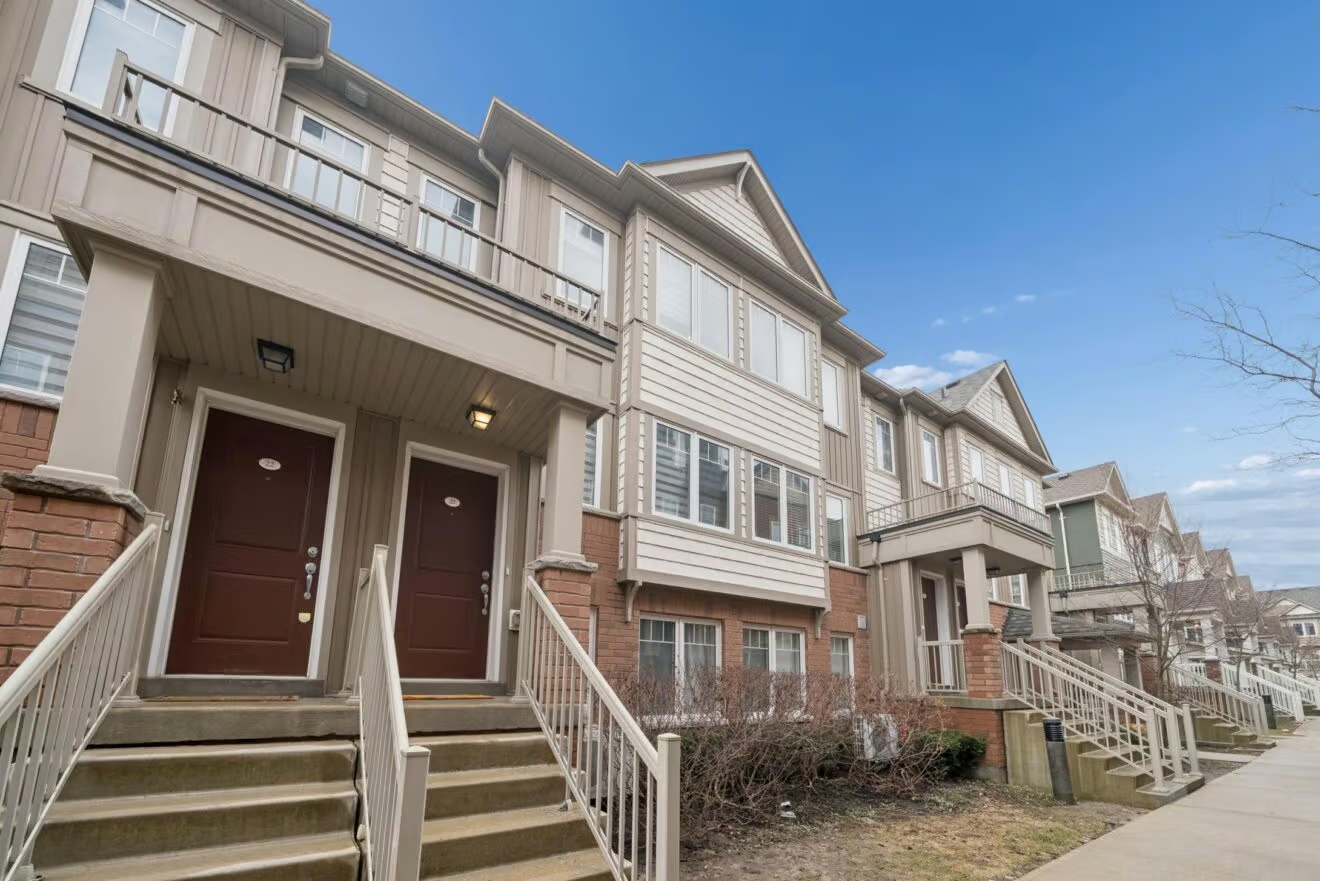
Townhomes: Offer a middle ground between condo and detached living. Modern townhome developments in Durham Region often come with less maintenance responsibility while still providing a small private outdoor space.
Adult lifestyle communities: Some communities in Ontario are specifically designed for buyers aged 55 and older, offering amenities, programming, and a built-in social community tailored to that lifestyle stage.
Financial Considerations When Downsizing in Ontario
Understanding the financial implications of downsizing is critical before you make a move. Here are the key considerations:
Capital gains tax: In most cases, the sale of your principal residence is exempt from capital gains tax in Canada. However, if you’ve rented part of your home or used it for business, consult a tax professional before selling.
Land transfer tax: When buying a new property in Ontario, you’ll pay Ontario’s land transfer tax. This ranges from 0.5% to 2.5% depending on the purchase price. Factor this into your budget when planning your move.
Condo fees: If you’re moving to a condo, budget for monthly condo fees that can range from a few hundred dollars to over $1,000 per month depending on the building and amenities.
Moving and decluttering costs: Downsizing often means parting with furniture and belongings accumulated over decades. Budget for professional movers, storage if needed, and potentially an estate sale or donation services for items you won’t be keeping.
Emotional Aspects of Downsizing
It’s important not to underestimate the emotional weight of leaving a family home. The home where your children grew up, where holidays were celebrated, and where decades of memories were made holds deep sentimental value. Give yourself permission to grieve the transition while also embracing the possibilities ahead. Many empty nesters describe downsizing as ultimately liberating — a chance to start fresh and design a home environment that truly reflects who you are today.
Involve family members in the process where possible. Letting adult children take items of sentimental value can ease the emotional burden and ensure meaningful possessions stay in the family.
Practical Tips for a Smooth Downsize
Start decluttering early — ideally months before your move. Tackle one room at a time to avoid feeling overwhelmed. Use the opportunity to donate, sell, or gift items you no longer need. Measure your new space carefully and plan which furniture will work before moving day. Work with a real estate agent who understands the downsizing journey and can help you sequence the buy and sell properly to avoid carrying two properties or being left without a home.
Final Thoughts
When it comes to downsizing your home in Ontario, Downsizing is one of the most significant real estate decisions empty nesters will make, but when done thoughtfully, it can be enormously rewarding — financially, practically, and emotionally. Team Rajpal has helped many Durham Region families navigate this transition with care and expertise. Contact us today to explore your options and make your next chapter your best one.

Have Questions?
Reach out to our experts! Whether you need help with a transaction or you’re just looking for market information, we’re here to help.