





April 28, 2026 | Selling
Your Home Didn’t Sell: What Went Wrong and What to Do Next in Ontario
It’s one of the most frustrating experiences a homeowner can face: your listing expires without a sale. Whether your Ontario home sat on the market for weeks or months without a single offer, or you received offers that didn’t work out, an unsold listing is a signal that something in your strategy wasn’t working. The good news is that an expired listing isn’t a dead end — it’s an opportunity to diagnose what went wrong and come back to market with a stronger approach.
Why Do Homes Fail to Sell in Ontario?
In most cases, a home that doesn’t sell comes down to one or more of three core issues: price, presentation, or exposure. Understanding which of these factors contributed to your unsold listing is the first step toward fixing the problem.
1. The Price Was Too High
Overpricing is the most common reason homes fail to sell in Ontario. Even in a strong market, buyers are informed — they research comparable sales, use real estate tools, and work with agents who provide them with market data. A home priced above what the market supports will consistently be passed over in favour of better-priced alternatives.
Sellers often overprice because of emotional attachment to their home, a desire to recover renovation costs, or advice from an agent who inflated the listing price to win the business. Whatever the reason, if your home didn’t sell, price should be the first variable you examine honestly.
Look at what sold during your listing period in your area and price range. Were similar homes selling while yours sat? If so, price was almost certainly a factor.
2. The Presentation Was Lacking
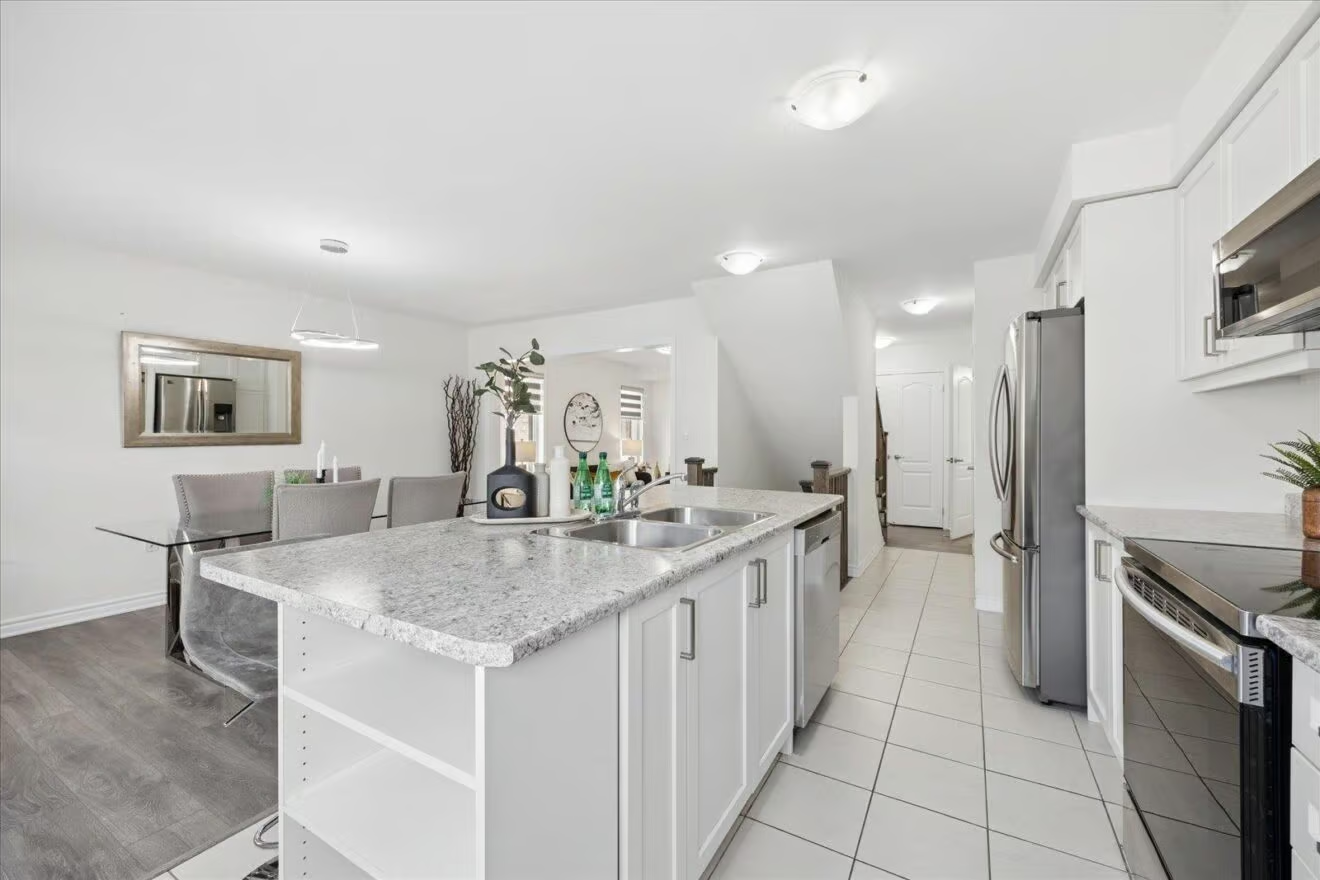
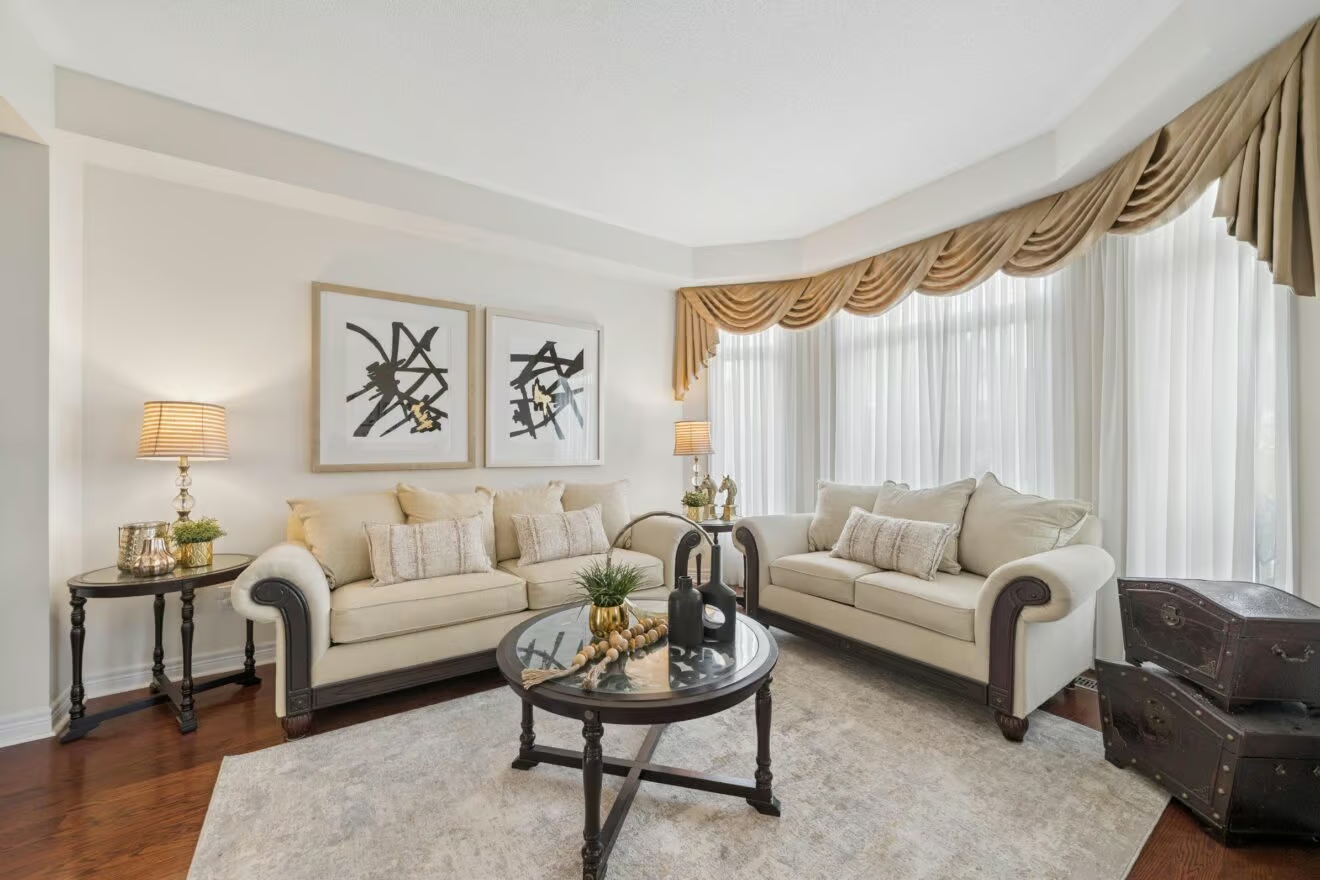
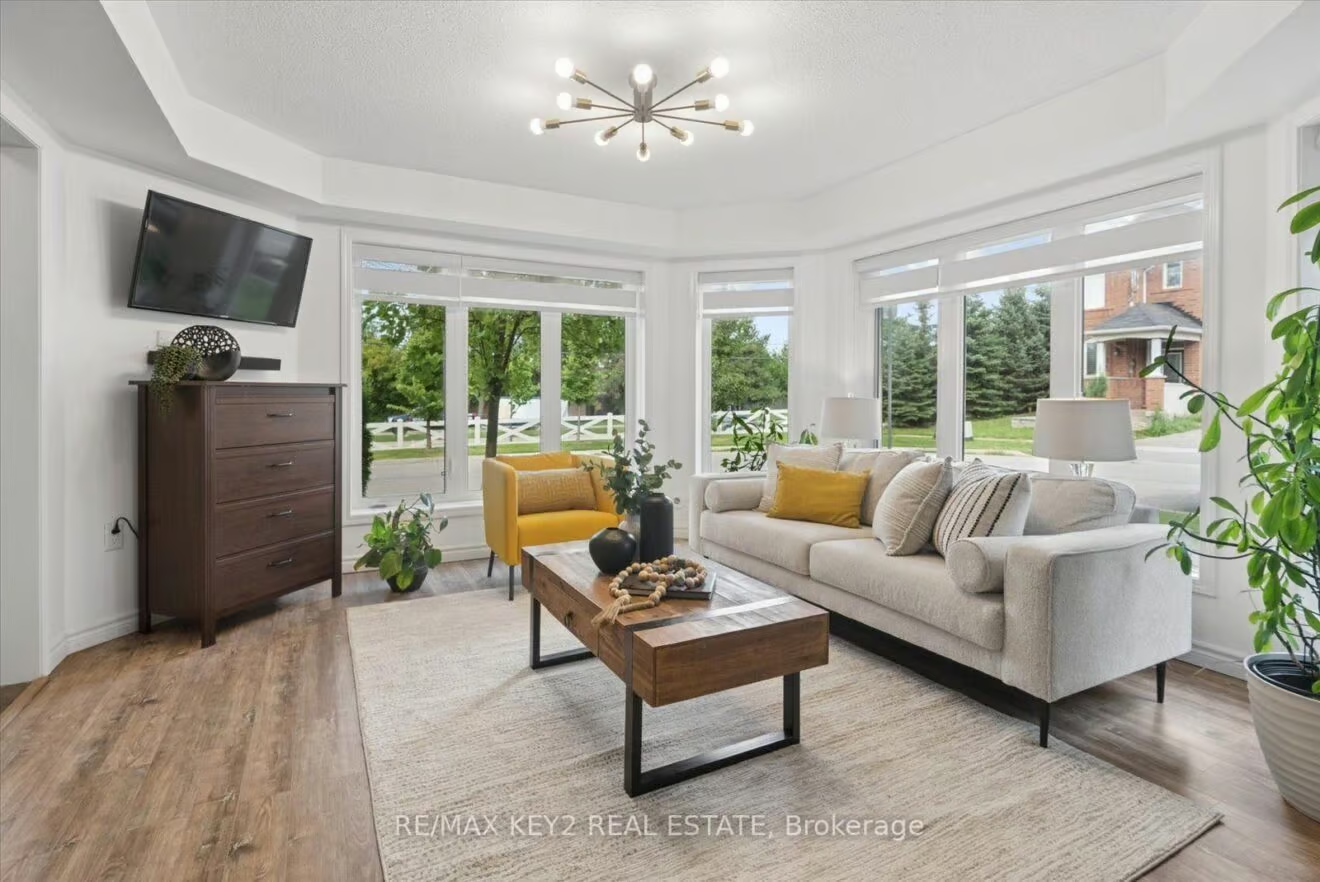
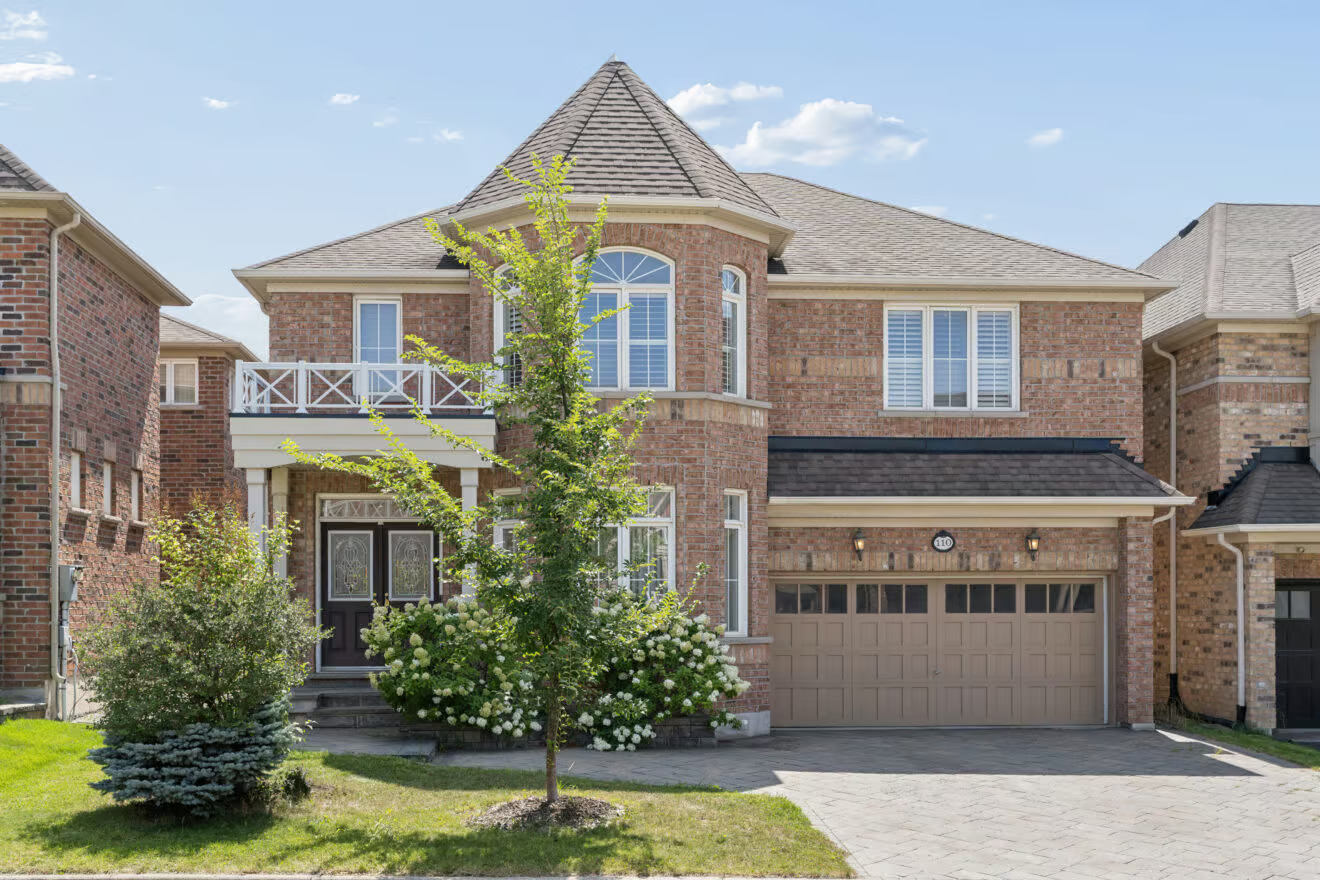
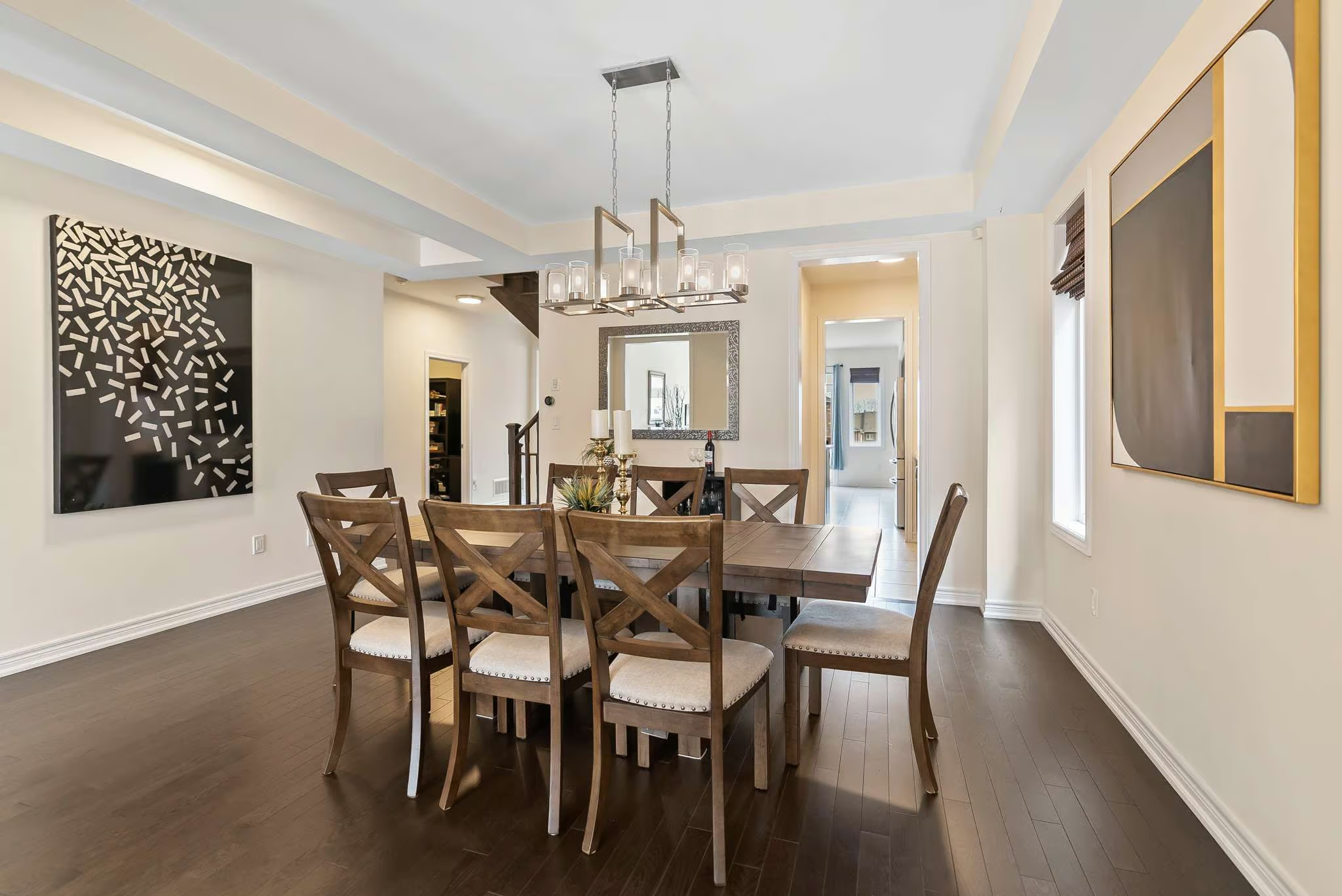
In today’s market, buyers begin their search online — and their first impression of your home is formed through photos before they ever visit in person. Poor quality photos, inadequate staging, cluttered rooms, deferred maintenance, or a home that simply doesn’t show well can prevent buyers from booking showings in the first place.
Ask yourself honestly: were the listing photos professional quality? Was the home decluttered and depersonalized before photos? Was it staged to help buyers visualize their life in the space? Were any maintenance issues addressed before listing? If the answer to any of these is no, presentation may have been a significant factor.
3. The Marketing and Exposure Were Insufficient
Not all real estate agents market homes the same way. A listing that’s simply placed on MLS and left to generate its own traffic will almost always underperform a listing that’s supported by professional photography, social media campaigns, digital advertising, email marketing to an active buyer database, and broker open houses. If your listing received few showings, ask whether your marketing plan was genuinely comprehensive.
4. Market Conditions Changed
Sometimes, external market forces play a role. A shift in interest rates, a sudden increase in competing inventory, or a broader market slowdown can affect sales activity for all properties, not just yours. However, even in challenging markets, well-priced and well-presented homes sell. If the market deteriorated during your listing, the correct response is to adjust price and strategy accordingly — not to wait indefinitely for conditions to improve.
5. Access and Showing Restrictions
Homes that are difficult to show — tight showing windows, pets that need to be removed, occupant schedules that limit availability — miss buyers. Real estate is a sales process, and buyers who can’t get in to see your home will simply buy something else. Make your home as easy to show as possible.
What to Do After Your Home Doesn’t Sell
Step 1: Conduct an Honest Post-Mortem
Review everything: the number of showings, the feedback from buyers’ agents, the comparable sales that occurred during your listing period, the quality of your marketing materials, and the price relative to the competition. Be honest about what the data tells you, even if it’s uncomfortable.
Step 2: Decide Whether to Re-List With the Same Agent or Switch
If your listing expired with your current agent, you’re no longer under any obligation to relist with them. Evaluate their performance honestly: Did they provide regular updates and feedback? Was the marketing plan executed as described? Was their pricing advice sound? If you have concerns about their approach, seeking a second opinion or engaging a different agent is entirely reasonable and may produce better results.
Step 3: Address the Price
If overpricing was a factor, the next listing must start with a realistic price. A new listing at a reduced price can actually generate significant fresh interest — many buyers monitor the market and will immediately notice a price adjustment. Frame the reduced price not as a concession but as a market-responsive adjustment that creates a genuine buying opportunity.
Step 4: Improve the Presentation
Before relisting, invest in what’s needed to improve the home’s presentation. Professional staging (even virtual staging), fresh professional photography, and addressing any noted maintenance items can transform a buyer’s perception of the property. Consider making minor cosmetic improvements that will have the highest visual impact for the least cost.
Step 5: Choose Your Timing Strategically
Timing your relist thoughtfully can help. The spring market (February-May) and fall market (September-November) are typically the strongest periods for home sales in Ontario. If your listing expired at the wrong time of year, waiting for a stronger market window — combined with the other improvements you’ve made — can produce better results.
Is Taking Your Home Off the Market Temporarily a Good Idea?
Sometimes, taking a deliberate break from the market is the right strategic move. A home that’s been listed and relisted multiple times becomes “market-worn” — buyers and agents are aware of the listing history and may be suspicious about why it hasn’t sold. Taking the home off the market for several months, making improvements, refreshing the listing, and coming back with a clean history can reset the narrative and attract fresh buyer interest.
Final Thoughts
An unsold listing is disappointing, but it’s not the end of the road. With the right analysis, honest assessment, and strategic adjustments, most homes that didn’t sell the first time can be successfully sold with a different approach. The key is to learn from what didn’t work and make meaningful changes rather than simply repeating the same strategy and hoping for a different result.
If your Ontario home didn’t sell and you’re looking for a fresh perspective and a different approach, Team Rajpal would welcome the opportunity to show you how we’d approach your listing differently. Contact us today for a confidential consultation.

Have Questions?
Reach out to our experts! Whether you need help with a transaction or you’re just looking for market information, we’re here to help.