





March 3, 2026 | Uncategorized
How to Evaluate a Home’s Resale Potential Before Buying
Most homebuyers make their purchase decision based on how a home feels today — the layout, the finishes, the neighbourhood vibe. But the smartest buyers also ask a different question: How easy will this home be to sell when the time comes?
Whether you plan to stay five years or twenty-five, every home is eventually sold. Evaluating resale potential before you buy protects your investment, preserves your financial flexibility, and ensures that the home you love today won’t become a liability tomorrow.
Why Resale Potential Should Be Part of Every Purchase Decision
Life changes in unpredictable ways. Job relocations, growing families, relationship changes, and financial shifts can all trigger a need to sell sooner than planned. A home with strong resale potential gives you options. A home with limited resale appeal can trap you — forcing you to sell at a loss or wait far longer than expected for the right buyer.
Resale potential isn’t just about avoiding a bad investment. It’s about buying a home that the broadest possible pool of future buyers will want — which is what drives price and speed of sale when your time comes.
1. Location Is Still the Most Important Factor
The oldest rule in real estate holds true for resale: location matters more than anything else. But “location” is more nuanced than just a desirable neighbourhood. For resale purposes, evaluate these specific location factors:
Proximity to transit: Homes within walking distance of train stations, subway lines, or major bus routes consistently hold and grow their value. Walkability drives demand across generations and income levels.
School district quality: Even if you have no children, being in a well-regarded school district expands your buyer pool significantly and supports higher resale prices. Always verify the specific school boundaries for the address — they don’t always align with neighbourhood reputation.
Neighbourhood trajectory: Is the neighbourhood improving or declining? Look for signs of investment: new businesses opening, infrastructure upgrades, young families moving in, and recent renovation activity. These signals indicate a community trending upward.
Proximity to nuisances: Back onto a highway, power lines, a commercial strip, or an industrial site? These factors suppress both value and buyer demand at resale, regardless of how much you personally don’t mind them.
2. Lot and Street Positioning
Where a home sits on its lot — and how the lot sits on the street — has a real impact on resale value. Corner lots, pie-shaped lots, and large premium lots tend to retain value and appeal to a broad buyer pool. Irregular lots, flag lots (accessed by a narrow lane), or lots that back onto noisy corridors are harder to sell.
South or west-facing backyards are highly desirable in most Canadian and northern US markets because they get afternoon and evening sun — the prime outdoor living hours. North-facing backyards that are in perpetual shade often receive lower offers and longer days on market.
3. Floor Plan Functionality and Appeal
Quirky floor plans may charm some buyers but repel many others. For resale, the best floor plans are functional, logical, and adaptable. Look for:
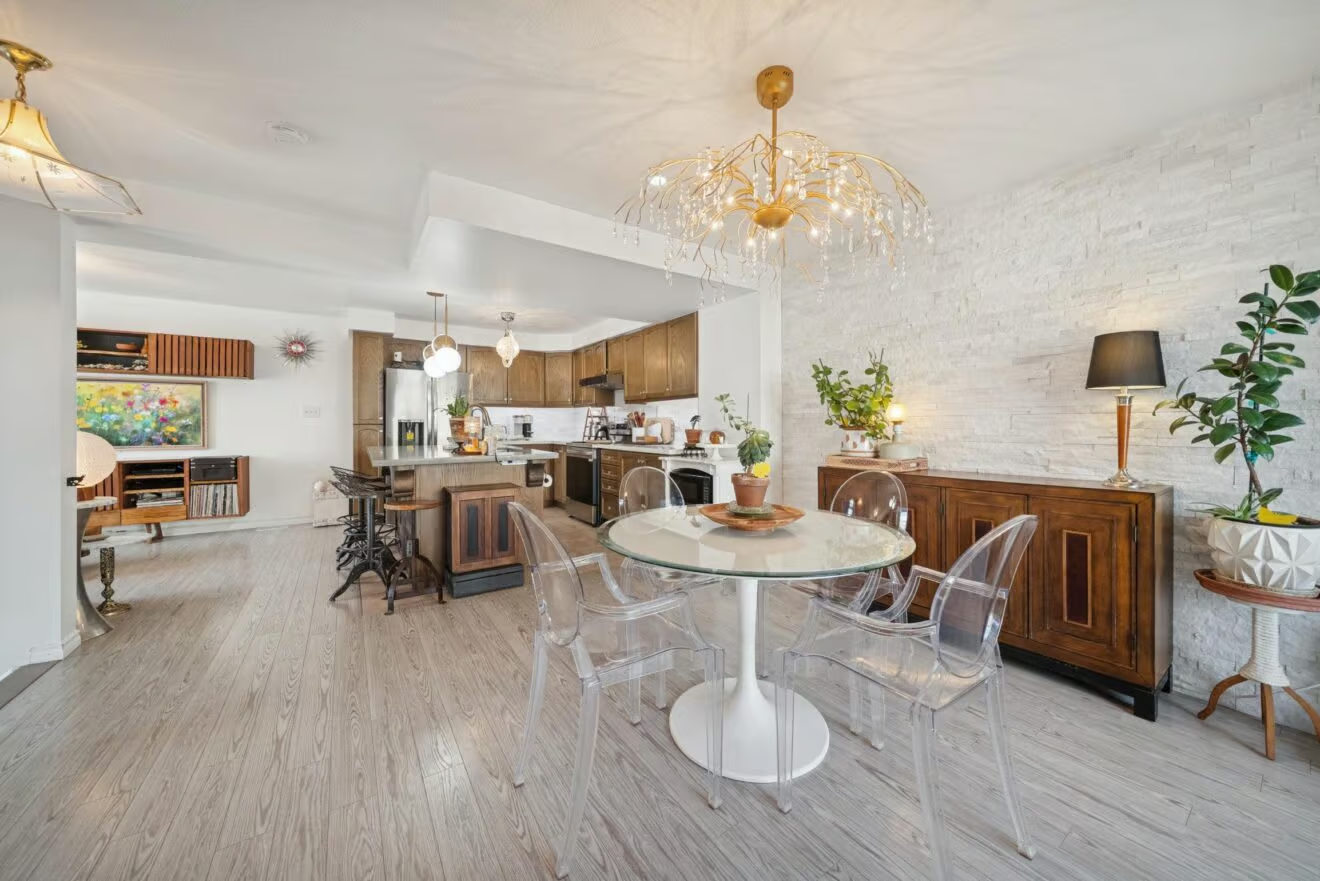
- An open concept main floor — still the most in-demand layout for the widest buyer pool
- A primary bedroom with a private ensuite — near-universal buyer expectation in modern markets
- At least one main-floor bathroom or powder room
- Bedrooms of reasonable size — tiny secondary bedrooms suppress family buyer interest
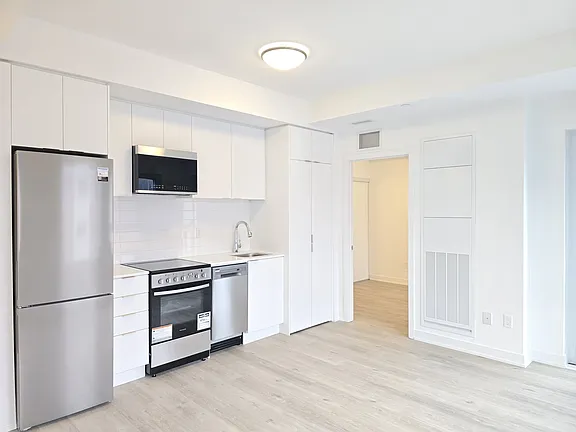
- A practical kitchen layout with adequate counter space and storage
Avoid homes where you have to walk through a bedroom to access another bedroom, or where the layout requires significant structural changes to become functional. These are characteristics that will limit your buyer pool at resale.
4. Bedroom and Bathroom Count
The number of bedrooms and bathrooms has an outsized impact on buyer demand. Three-bedroom homes consistently attract the widest buyer pool — families, couples with home office needs, and investors. One and two-bedroom homes are more limited in their appeal.
Likewise, a home with only one bathroom is far harder to sell than a home with one and a half or two bathrooms. Adding a bathroom is one of the highest-ROI renovations in real estate — but you’ll pay a premium for a home that already has it.
5. The Street and Immediate Surroundings
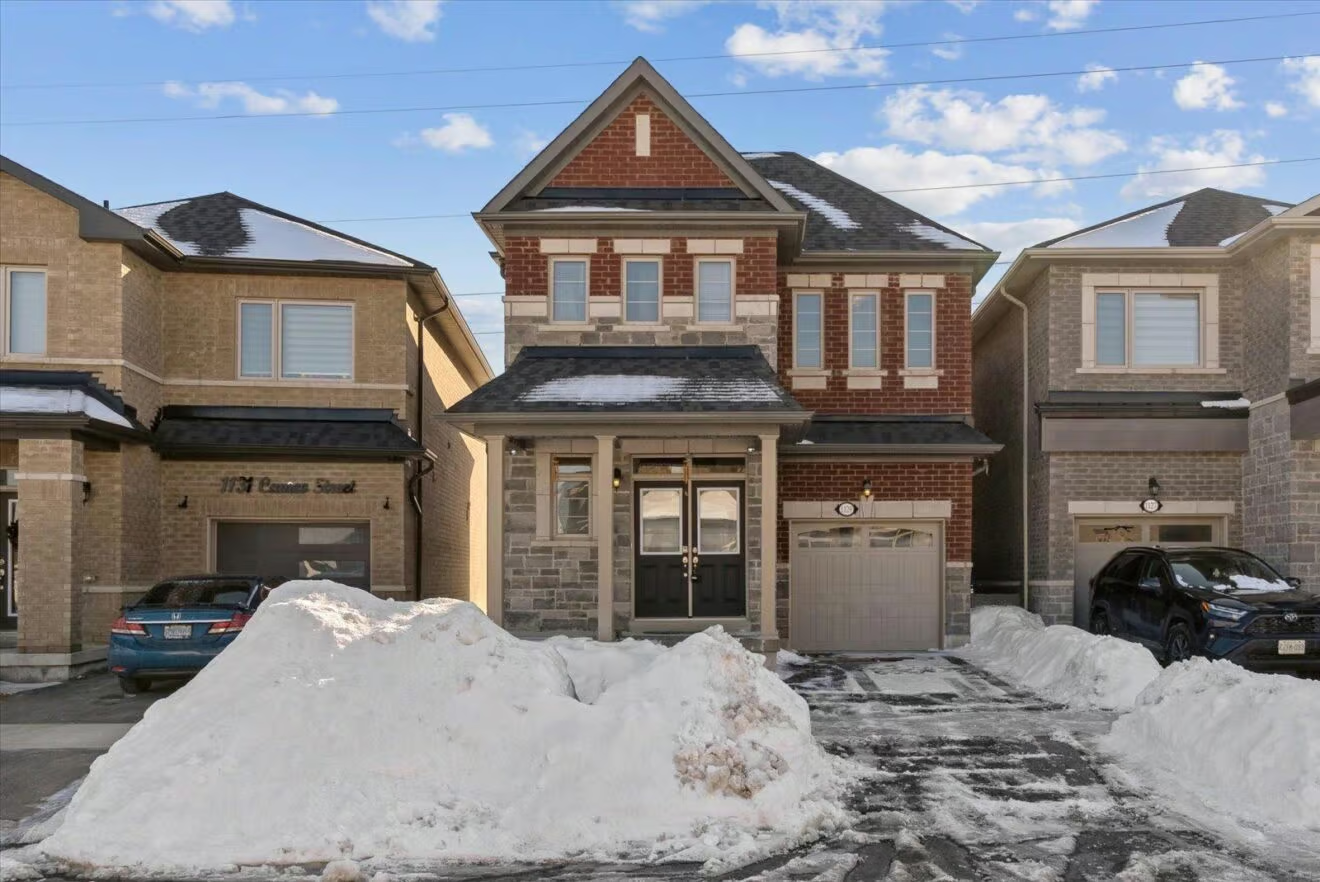
What the house looks like from the street — and what surrounds it — creates the first impression that shapes every buyer’s emotional response. A home on a well-maintained, tree-lined street with consistent, well-kept neighbours will always be easier to sell than an equivalent home on a street with poor upkeep, heavy traffic, or commercial intrusion.
You cannot control what your neighbours do, but you can choose a street where the collective ownership pride is evident. Walk the block. Talk to someone. Get a feel for the community. This directly affects your future sale.
6. Renovation Potential and Ceiling Value
Every neighbourhood has a ceiling value — the maximum price a home in that area can realistically sell for, regardless of how much you invest in renovations. Before buying a home that needs work, research what the best homes in the area sell for. Then ask: if I renovate this home to its fullest potential, can I recover my renovation costs in the eventual sale price?
Buyers who over-improve for their neighbourhood — investing $150,000 in renovations when the ceiling value is only $200,000 above purchase price — often fail to recover their investment. Conversely, buying a home with strong bones in an area where renovated homes sell for significantly more offers excellent upside potential.
7. Red Flags That Hurt Resale Value
Some home characteristics are perennial buyer deterrents — things that will make your eventual sale harder no matter how much the market improves:
- Only one bathroom in a multi-bedroom home
- No dedicated parking in a market where parking is valued
- Very small lot size relative to the neighbourhood
- Backing onto a busy road, railway, or commercial property
- Major structural issues or history of flooding
- Unusual or polarizing exterior architecture
- Legal or zoning complications on the property
8. Think Like a Future Buyer — Not Just a Current One
The most powerful exercise you can do before buying is to imagine standing in that home five to ten years from now, trying to sell it. Who is your buyer? What will they be looking for? Will the neighbourhood still be desirable? Will the home’s features still align with what people want?
Demographic and lifestyle trends shift over time, but certain fundamentals remain constant: proximity to transit, good schools, functional layouts, ample natural light, and strong neighbourhood character. Homes that excel in these categories have proven resilient across multiple market cycles.
The Bottom Line
Buying a home is both a personal and financial decision — and the best buyers honour both. Choosing a home you love and that has strong resale fundamentals isn’t a compromise. It’s the mark of a truly informed buyer.
At Team Rajpal, we help our clients evaluate every home through both lenses — what it offers today and what it will deliver when the time comes to sell. Reach out today to work with a team that thinks long-term on your behalf.

Have Questions?
Reach out to our experts! Whether you need help with a transaction or you’re just looking for market information, we’re here to help.