





June 15, 2026 | Uncategorized
How to Rent Out Your Basement in Ontario Legally: What Pickering Homeowners Need to Know
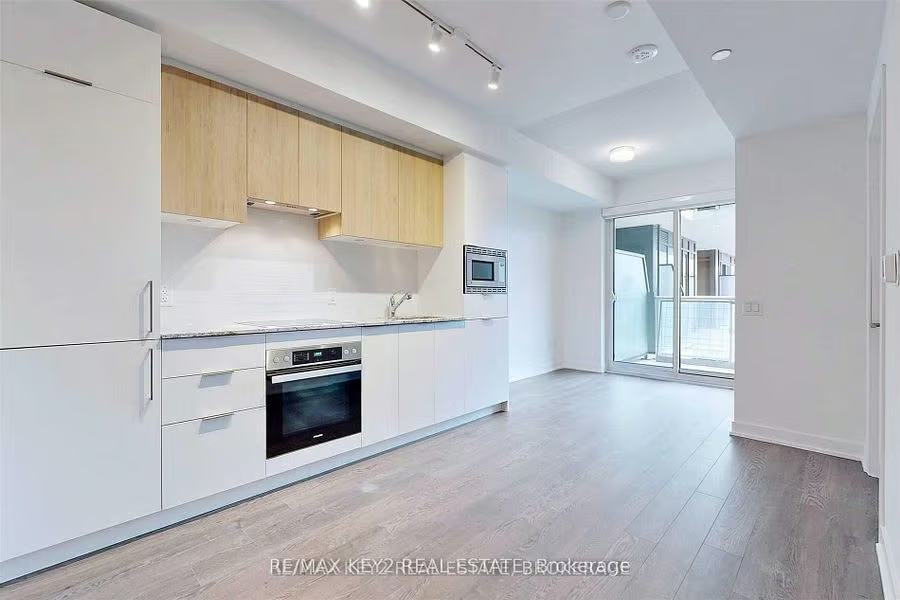
Want to know how to legally rent out a basement in Pickering, Ontario? With housing costs rising across Durham Region and mortgage payments at levels many homeowners hadn’t anticipated, basement suites have become one of the most practical ways for Pickering homeowners to offset their mortgage and generate rental income. But renting out your basement legally in Ontario requires following specific rules — and the penalties for non-compliance can be significant. Here’s what every Pickering homeowner needs to know.
Is a Basement Suite Legal in Pickering, Ontario?
Ontario law permits homeowners to create second units (also called accessory dwelling units or basement apartments) in most residential properties — including single-detached, semi-detached, and row houses. This is established under the Planning Act, which requires municipalities to permit second units in these property types as of right.
The City of Pickering aligns with provincial legislation, which means you are generally permitted to rent out a basement apartment in Pickering as long as your unit meets the Ontario Building Code requirements and the City’s zoning and licensing rules. The key word is “legally” — there are thousands of basement apartments across Pickering that don’t meet code requirements, which creates risk for both the landlord and the tenant.
Key Requirements to Legally Rent Out a Basement in Pickering
1. Ontario Building Code Requirements
The Ontario Building Code sets minimum standards for second units. The main requirements include:
- Minimum ceiling height: 1.95 metres (approximately 6 feet 5 inches) for most areas. This is the most common barrier in older Pickering homes with low basement ceilings.
- Emergency escape windows: Each bedroom must have an egress window of sufficient size to allow escape in a fire emergency. This is strictly enforced and non-negotiable.
- Fire separation: The basement unit must be separated from the rest of the house with fire-rated construction — typically Type X drywall on walls and ceilings of the unit.
- Smoke and carbon monoxide detectors: Both units must have working smoke alarms and carbon monoxide detectors as required by the Ontario Fire Code.
- Separate entrance: While not always strictly required, a separate entrance significantly improves the unit’s privacy, liveability, and rental value.
- Minimum unit size: There are minimum sizes for rooms and overall unit size under the Ontario Building Code.
- Electrical: The unit must have safe, code-compliant electrical — which in older homes often means an electrical upgrade.
2. Building Permit Requirements
If you are creating a new second unit in Pickering (or significantly modifying an existing one), you will need a building permit from the City. This triggers an inspection process to verify that the unit meets Ontario Building Code requirements. Many homeowners skip this step to save time and money — but doing so is illegal and creates serious liability risks, particularly in the event of a fire or injury.
The permit process typically involves submitting plans, paying fees, and having a city inspector visit to confirm compliance at the rough-in and final stages. Budget $1,000–$3,000+ for the permit and inspection process alone, plus the renovation costs to bring the unit into compliance.
3. Rental Licensing (If Required)
The City of Pickering has implemented a rental unit licensing program for certain property types. Homeowners renting a basement apartment need to ensure they check the current licensing requirements with the City of Pickering directly, as these rules can change. Durham Region municipalities have been moving toward stronger rental unit licensing requirements in recent years.
4. The Residential Tenancies Act
Once you have a tenant, you are governed by Ontario’s Residential Tenancies Act (RTA). This legislation is strongly tenant-protective and governs everything from how much you can charge for rent (in older units subject to rent control), how much notice you must give before entry, the grounds on which you can evict a tenant, and the process for rent increases.
Key points for new landlords in Pickering:
- Rent increases are limited by the Ontario Rent Increase Guideline (typically 2–3% per year) for units that were occupied before November 2018. Units first occupied after November 15, 2018 are exempt from the rent increase guideline.
- You cannot evict a tenant simply because you decide to sell the house (with some exceptions if the new buyer intends to occupy).
- Disputes are resolved through the Landlord and Tenant Board (LTB), which has faced significant backlogs in recent years.
5. Insurance Implications
Your current home insurance policy almost certainly does NOT cover a rental unit in your basement. Failure to notify your insurer that you are renting a unit can void your entire home insurance policy — leaving you completely unprotected in the event of a fire, flood, or other damage. Contact your insurer before your first tenant moves in to ensure you have appropriate landlord coverage. Expect a premium increase.
6. Mortgage and Zoning Considerations
If you have a mortgage on your Pickering home, review your mortgage agreement. Some mortgage lenders require notification when you add a rental unit — and some mortgage products specifically do not permit rental income from the security property. Additionally, even though Ontario law permits second units broadly, check that your specific property’s zoning in Pickering permits the use. Most residential zones do, but corner cases exist.
How Much Rental Income Can a Basement Apartment Generate in Pickering?
A legal, well-finished basement suite in Pickering can generate between $1,500 and $2,200 per month in current market conditions, depending on size, finishes, number of bedrooms, and whether utilities are included. A two-bedroom legal basement with a separate entrance, modern finishes, and in-suite laundry can command the top of this range or higher in strong rental markets.
For a homeowner carrying a $4,000–$5,000 monthly mortgage, a $1,800/month basement income represents a 35–45% reduction in net housing cost. That’s a powerful offset — but it requires doing it legally and properly from the start.
Is It Worth the Investment to Legalize Your Basement?
For most Pickering homeowners with a suitable basement, the answer is yes. A full legal basement conversion — permit, fire separation, egress windows, electrical upgrade, and finishes — typically runs $30,000 to $80,000 depending on the state of the existing basement. At $1,800/month in rental income, a $50,000 investment pays back in under 3 years.
Beyond the rental income, a legal, inspected basement suite also adds demonstrated value to your home at resale — many buyers specifically look for income properties in Pickering and are willing to pay a premium for a properly documented, legal suite.
Final Thoughts
Learning how to legally rent out a basement in Pickering Ontario is an investment in doing things right — protecting yourself legally, protecting your tenant, and protecting the value of your home. Shortcuts in this process create real risks that aren’t worth taking when the legitimate path is so clearly beneficial.
If you’re thinking about buying a home in Pickering with a basement suite already in place, or considering adding one, Team Rajpal can help you evaluate the property’s potential and connect you with trusted contractors and legal advisors in the Durham Region market.

Have Questions?
Reach out to our experts! Whether you need help with a transaction or you’re just looking for market information, we’re here to help.