




February 3, 2026 | Uncategorized
Is it better to buy a starter home or forever home
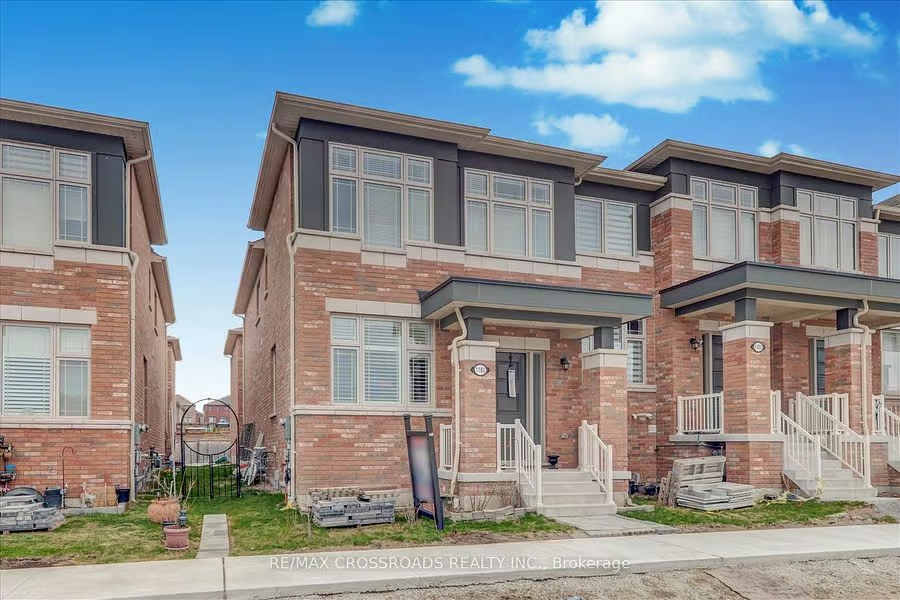
Is it better to buy a starter home or forever home is a question many buyers face early in their journey. Both options have advantages and drawbacks, and choosing the wrong path can lead to stress, unexpected expenses, or moving sooner than planned. Understanding the differences helps you make a confident decision that aligns with your finances, lifestyle, and long term goals.
What Is a Starter Home
A starter home is typically a smaller and more affordable property that buyers purchase early in their ownership journey. The goal is to build equity over time and sell later for an upgrade. Starter homes may be smaller, require minor improvements, or be located in less central areas.
Choosing a starter home can make sense if you want to enter the market sooner and build equity while you grow in your career or family size.
Internal link: For help selling later, see How to Sell Your Home Quickly Without Sacrificing Price
What Is a Forever Home
A forever home is a property you expect to live in for many years, possibly decades. Forever homes are generally larger, in preferred locations, and have features that fit long term lifestyle needs such as yards, extra bedrooms, or proximity to schools.
Buying a forever home means you expect stability and are willing to invest more upfront for comfort and longevity.
Benefits of Buying a Starter Home
When evaluating is it better to buy a starter home or forever home, buyers often consider cost and flexibility first. Starter homes offer:
More affordable monthly payments
Lower down payment requirements
Faster entry into the housing market
Ability to build equity before upgrading
Buying a starter home can reduce financial pressure early on, especially if your income is growing or if your long term plans are still evolving. However, affordability today does not guarantee comfort if your needs change soon.
Risks of Buying a Starter Home
Buying a starter home comes with specific risks. These include:
Needing to sell sooner than expected
Paying transactional costs more often
Selling in an unfavorable market
Making repairs that reduce profit
For example, if you buy a starter home and the market softens when you go to sell, you may receive offers below your expectations. Many first time buyers underestimate transactional costs such as closing fees, moving, and upgrades.
External resource: Why moving costs matter from the Consumer Financial Protection Bureau
https://www.consumerfinance.gov
Benefits of Buying a Forever Home
Forever homes offer stability and comfort. Advantages include:
No need to move soon
Less stress of selling again
Ability to customize over time
Potential for lower cost per year lived
If your job, family plans, and lifestyle are stable, a forever home can save money compared to buying, selling, and buying again. This path makes sense for buyers confident in their long term location and finances.
Risks of Buying a Forever Home
There are risks with committing early to a forever home. These include:
Higher upfront costs
Higher monthly payments
Risk of overextending financially
Less flexibility if life plans change
Buyers sometimes choose a forever home before they are financially ready. High monthly payments can strain budgets, leaving little room for emergencies.
External resource: Mortgage affordability and risk explained by Realtor.com
https://www.realtor.com
Financial Considerations When Choosing
Cost is central to the decision of is it better to buy a starter home or forever home. Beyond purchase price, buyers should consider:
Down payment size
Interest rates
Property taxes
Maintenance and repairs
Insurance
A forever home may cost more but could save money over time if you stay long enough. Conversely, starter homes reduce initial costs but can incur extra transactional fees when you sell. Calculating total lifetime cost is essential.
Lifestyle and Long Term Goals
Lifestyle factors matter just as much as finances. Think about:
Distance to work
Proximity to family or schools
Community amenities
Future family needs
If your job is uncertain or your family size might change soon, a starter home offers flexibility. If you know you will stay in one area and want stability, a forever home may suit you better.
Common Buyer Questions
Q: Do I need to start with a starter home
A: No. If you are financially ready and confident in your long term plans, a forever home can be the right choice.
Q: Will a starter home appreciate as fast as a forever home
A: Appreciation depends on location and market conditions, not just the type of property.
Q: Is it harder to sell a starter home
A: Starter homes can sell quickly if priced right, but market conditions at the time of sale influence results.
Q: Should I buy based on future family plans
A: Yes. Thinking ahead helps ensure your home supports your lifestyle longer.
Final Thoughts on Is It Better to Buy a Starter Home or Forever Home
So is it better to buy a starter home or forever home There is no universal answer. The best choice depends on your financial readiness, career and lifestyle plans, and comfort with moving or staying long term. Both paths can be successful when approached with clarity and planning.
Before choosing, consider your budget, future goals, and risks. Professional guidance can help clarify your options and avoid costly mistakes.

Have Questions?
Reach out to our experts! Whether you need help with a transaction or you’re just looking for market information, we’re here to help.