





June 9, 2026 | Uncategorized
How to Buy a Pre-Construction Home in Ontario Without Getting Burned: 10 Things to Watch For
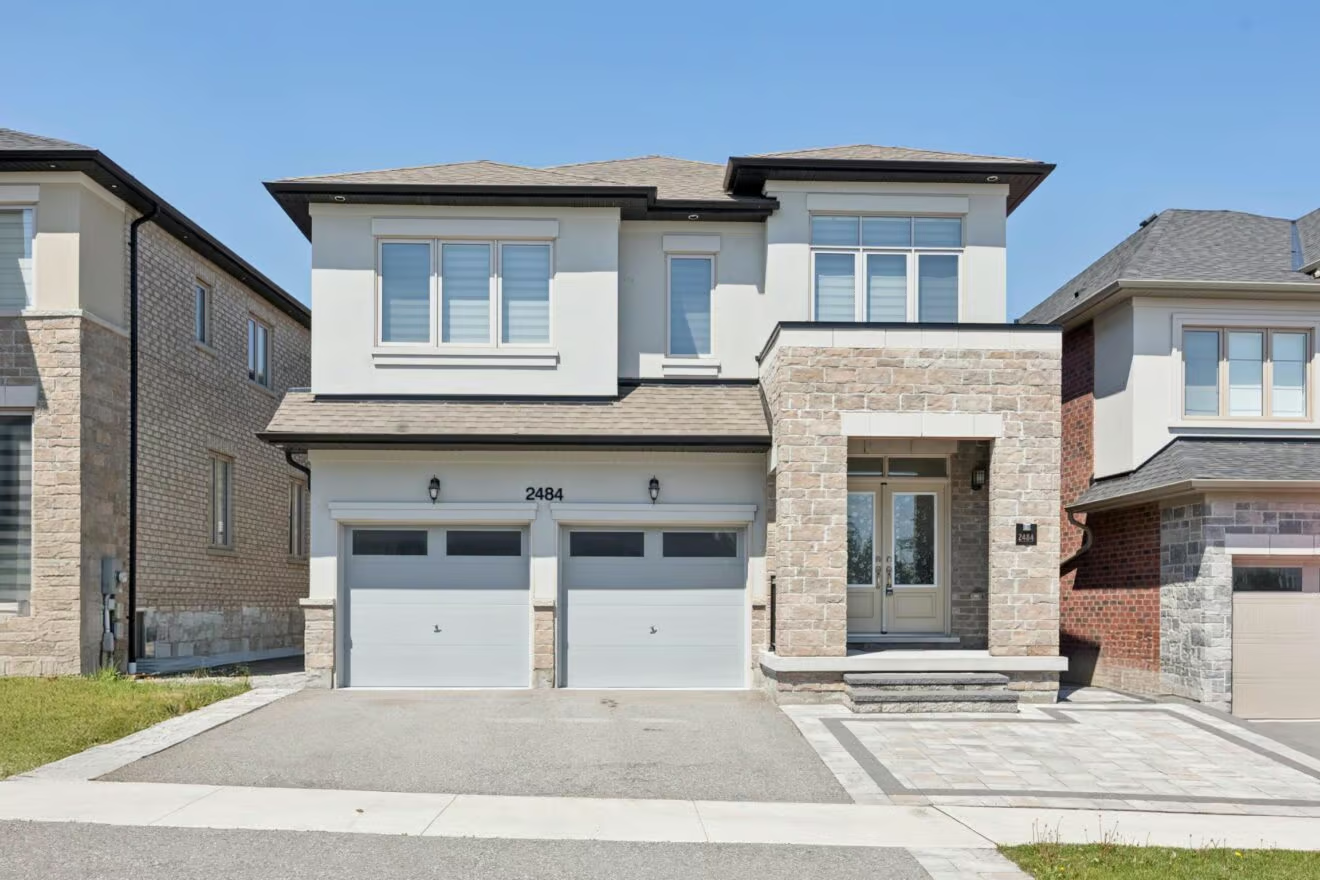
Buying a pre-construction home in Ontario without getting burned starts with knowing what to watch for before you sign anything. Pre-construction purchases are fundamentally different from resale transactions — and the excitement of buying something new can lead buyers to overlook critical risks that experienced investors and agents see all the time. This guide covers the 10 most important things to watch for when buying pre-construction in Ontario.
How to Buy a Pre-Construction Home in Ontario Without Getting Burned
Ontario has one of the most active pre-construction markets in North America — particularly in the Greater Toronto Area, Durham Region, and communities like Pickering and Ajax where development is booming. But pre-construction buying involves unique risks that don’t exist in resale purchases. Here are the 10 things every buyer absolutely must understand before signing a pre-construction agreement in Ontario.
1. Understand the 10-Day Cooling Off Period
Under Ontario’s New Home Construction Licensing Act, you have a 10 calendar day cooling-off period after signing a pre-construction Agreement of Purchase and Sale (APS). During this window, you can rescind the agreement for any reason with no financial penalty. Use this time wisely — get the APS to an experienced real estate lawyer immediately. Don’t wait. A lawyer with pre-construction expertise can review the agreement, explain the risks, and flag deal-altering issues before your cooling-off period expires.
2. Know the Difference Between “Price” and “True Cost”
The purchase price in a pre-construction agreement is almost never the final amount you pay. Pre-construction agreements typically include a lengthy schedule of additional charges called development levies, occupancy fees, and closing adjustments. These can add $30,000 to $80,000 or more to the final closing cost — and they are often buried in the schedule appendices of the agreement. Your lawyer must review and explain every single one before you remove your cooling-off period.
3. Cap Your Development Charges
Development charges (also called levies or lot levies) are fees that municipalities charge builders for the infrastructure costs associated with new development. In Ontario, these fees can run $50,000 to $150,000 or more for freehold homes. The key question when buying pre-construction is whether these charges are capped in your agreement. If they’re uncapped, you bear the risk of any increase between signing and closing — which can span years. Always negotiate for a cap, or at minimum understand the exposure clearly.
4. Watch for Interim Occupancy (Condo-Specific)
For pre-construction condominiums in Ontario, there is a period called interim occupancy between when you move in and when the condo is registered. During this period, you occupy the unit and pay interim occupancy fees to the builder — a combination of interest on the unpaid purchase price, estimated property taxes, and condo maintenance fees. You are NOT paying toward your mortgage yet, and your deposits are still with the builder. This period can last from a few months to over a year in some cases, and the costs can be substantial.
5. Understand Closing Delays and Extension Policies
Pre-construction homes are routinely delayed. Ontario’s Tarion Warranty Program establishes rules about how and when builders can extend occupancy dates — but extensions can still significantly delay your plans. Critically, if the builder extends beyond the permitted dates, they must compensate you with a statutory delay fee (around $150/day for extended delays under Tarion rules). Know what delays are permissible, what compensation you’re owed for excessive delays, and plan your life — rental arrangements, bridge financing, family plans — with flexibility built in.
6. Investigate the Builder’s Reputation and Financial Health
Not all Ontario pre-construction developers are equal. Research the builder extensively before signing. Key things to check include their track record of delivery on time, their Tarion registration, any outstanding Tarion complaints, and their reputation in the real estate investment community. An experienced agent who specializes in pre-construction in Pickering and the GTA will have direct insight into which builders are reliable and which have a history of delays or disputes.
7. Read the Permissible Use and Assignment Clauses
Many Ontario pre-construction agreements contain clauses restricting how you can use the unit — prohibiting short-term rentals, for example — or limiting your ability to assign the agreement before closing. If you’re buying as an investment and plan to flip or assign the contract, you must ensure the agreement explicitly permits assignment and understand the fees involved. Some builders charge 1–2% assignment fees; others prohibit assignment entirely for a period. Know this before you sign.
8. Understand Deposit Structure and Protection
Ontario pre-construction deposits are protected under the Tarion Warranty Program up to certain limits — currently $60,000 for freehold homes and up to the purchase price for condos (under the HCRA condo deposit protection rules). However, deposits are not protected beyond these limits, and deposits for pre-construction townhomes and detached homes can easily exceed the insured threshold. Your lawyer should advise on deposit protection and whether additional protections are available or necessary.
9. Budget for HST — Especially If Renting
New homes and condos in Ontario are subject to HST. For owner-occupants, the HST new housing rebate is built into the standard pricing. However, if you plan to rent out the unit — rather than occupy it yourself — you may not qualify for the owner-occupant rebate. In this case, you would be responsible for significant HST that wasn’t factored into the advertised price. Investors who miss this detail can face unexpected tax liabilities of tens of thousands of dollars. Always confirm your HST situation with a real estate lawyer and accountant before closing on a pre-construction investment purchase in Ontario.
10. Get Independent Representation
The sales representative in a builder’s presentation centre works for the builder — not for you. Their goal is to sell units, not to protect your interests. Always have your own buyer’s agent and your own real estate lawyer before visiting a pre-construction sales centre. An experienced buyer’s agent who specializes in pre-construction can negotiate on your behalf, identify hidden risks in the agreement, and may have early access to new release pricing before public sale. The cost is typically zero to the buyer — the builder pays the commission — so there’s no reason not to have your own representation.
Final Thoughts: Pre-Construction in Ontario Requires Due Diligence
Knowing how to buy a pre-construction home in Ontario without getting burned comes down to preparation, independent legal advice, and working with experienced professionals who know the pre-construction market. In communities like Pickering and Ajax, where several major new developments are underway, understanding these 10 pitfalls can be the difference between a successful investment and a costly mistake.
Team Rajpal has extensive experience helping buyers navigate pre-construction purchases across Durham Region and the GTA. View our current pre-construction listings or contact us to speak with an agent who knows this market inside and out.

Have Questions?
Reach out to our experts! Whether you need help with a transaction or you’re just looking for market information, we’re here to help.