





March 3, 2026 | Uncategorized
What Red Flags to Watch for During a Home Tour
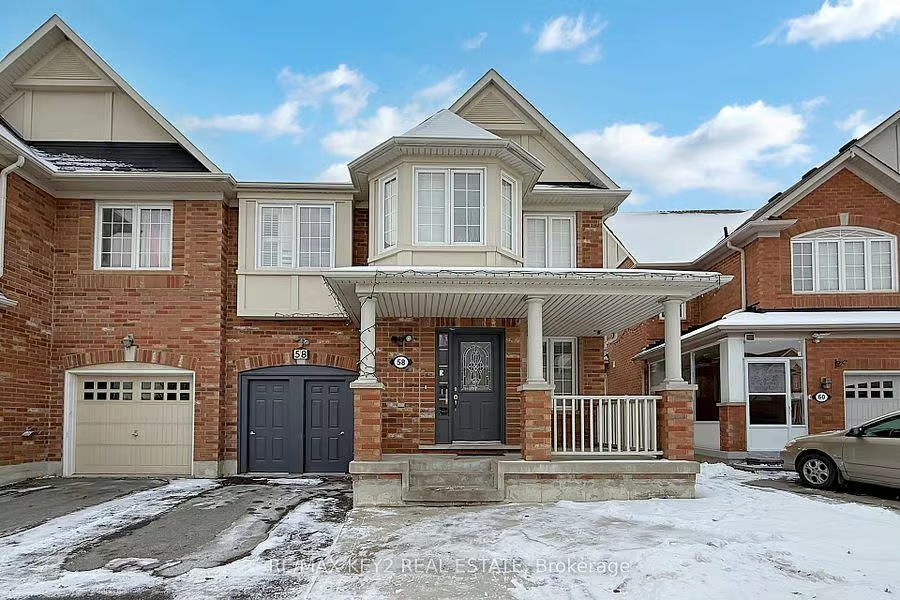
Walking through a home for the first time is an emotional experience. The staging looks beautiful, the lighting is perfect, and you’re already imagining your furniture in the living room. That emotional state is exactly when it’s hardest — and most important — to stay objective and look for the warning signs that can turn your dream home into a nightmare.
Most red flags during a home tour aren’t hidden. They’re there if you know what to look for. Here’s what experienced buyers and agents watch for — and why each issue matters.
1. Fresh Paint in Unusual Spots
A fresh coat of paint is a common staging move — but pay attention to where the paint is new. Patches of fresh paint in isolated areas, particularly on lower walls, ceilings, or around windows, can signal that water damage, mold, or other issues have been covered up rather than repaired.
Look for paint that doesn’t match the surrounding wall in sheen, colour, or texture. New drywall patches painted over are another tell. If you see these, probe further — ask about the history and include a thorough home inspection in your conditions.
2. Water Stains on Ceilings or Walls
Brown or yellowish stains on ceilings are one of the most reliable indicators of a past or active water intrusion problem. Always look up. Check the ceilings on every floor, especially below bathrooms on upper levels, near exterior walls, and around skylights or chimney areas.
A water stain doesn’t automatically mean a current leak — it could be a past issue that was properly repaired. But you need to know: Was it fixed? What caused it? Get documentation. An unexplained ceiling stain that the seller “doesn’t know about” should trigger immediate skepticism.
3. Musty or Chemical Odours
Your nose is one of your best tools during a home tour. A musty, earthy smell — particularly in the basement, bathroom, or near exterior walls — is a classic indicator of mold or moisture issues. Mold doesn’t just smell bad; it’s a health hazard and a potentially expensive remediation project.
Conversely, be cautious when a home smells overwhelmingly of candles, air fresheners, or fresh baking. Strong artificial scents are sometimes used to mask persistent odours from pets, mold, smoke, or moisture. Open a closet or go into a room where scent isn’t as strong — and trust what you smell.
4. Sloping or Uneven Floors
A marble or small ball placed on the floor that rolls immediately is an old trick — but it works. Sloping, sagging, or springy floors can indicate foundation settling, structural problems, or joist damage. While some settling is normal in older homes, significant or uneven slopes warrant serious investigation.
Walk every room carefully. Pay attention to how the floor feels underfoot — particularly in older homes with hardwood. Soft spots, bouncing, or creaking in concentrated areas can indicate moisture damage or compromised structural members beneath.
5. Cracks in Walls, Ceilings, or Foundation
Not all cracks are created equal. Small, hairline cracks in drywall or plaster are typically cosmetic — the result of normal seasonal expansion and contraction. Larger cracks, diagonal cracks running from corners of windows or doors, and horizontal cracks in foundation walls are far more serious.
Horizontal cracks in a basement foundation wall are particularly alarming — they can indicate lateral soil pressure causing the wall to bow inward, which is a structural issue requiring significant repair. Diagonal cracks that stair-step through brick or block indicate differential settlement. These are not cosmetic issues and must be evaluated by a structural engineer.
6. Signs of Moisture in the Basement
The basement is where many of a home’s problems originate — and where they’re easiest to spot. Look for:
- Efflorescence: White, chalky mineral deposits on concrete or block walls. This indicates water is migrating through the foundation.
- Rust stains: Around floor drains, on the base of support columns, or near the water heater. Indicates chronic moisture exposure.
- Freshly painted basement walls: Could be concealing moisture staining or damage.
- New flooring over the original floor: Laminate or carpet laid directly over a concrete basement floor with no explanation can be concealing moisture issues below.
- Dehumidifiers running on a dry day: If a dehumidifier is running when you visit, that’s the seller managing a chronic moisture problem.
7. Outdated Electrical Panels or Knob-and-Tube Wiring
Check the electrical panel if accessible. A 60-amp service is inadequate for modern homes — today’s standard is 200 amps. Fuse boxes (rather than circuit breakers) indicate outdated electrical systems. Federal Pacific or Zinsco brand panels are known to have safety issues and are often flagged by insurers.
Knob-and-tube wiring — identifiable by porcelain knobs and tubes running through framing — is another significant concern in older homes. It’s not grounded, can’t support modern electrical loads, and many insurers refuse to cover homes that still have it active.
8. Poor Water Pressure or Slow Drains
Turn on the taps. Run the shower. Flush the toilet. These simple tests reveal a surprising amount about a home’s plumbing health. Low water pressure could indicate corroded or undersized pipes. Slow drains may signal clogs, venting issues, or older clay tile drain lines that are deteriorating or root-invaded.
If you turn on the kitchen faucet and the upstairs bathroom loses pressure, that’s a plumbing concern worth flagging. If drains seem sluggish throughout the home, ask when the drains were last inspected and whether a scope camera has ever been run through the main drain line.
9. Evidence of DIY Work Done Without Permits
Crooked walls, uneven tiling, misaligned doors, and finished spaces that look “off” are often signs of owner-done renovations that bypassed permits and professional oversight. This matters for two reasons: unpermitted work may not be up to code (creating safety hazards) and can create complications during home inspection, financing, and resale.
Ask specifically whether any renovations were done with permits. If the answer is vague or unavailable, pull the municipal permit history yourself before closing.
10. Doors and Windows That Don’t Close Properly
Open and close every door and window you can access. Sticking, binding, or misaligned doors and windows are often symptoms of foundation movement or significant structural shifting. A door that used to close and now doesn’t — evidenced by old paint marks or worn spots at a different position — indicates the home has moved.
This can range from minor normal settling to serious structural issues. Either way, it warrants investigation rather than assumption.
The Bottom Line
A home tour is your first line of defense — before the home inspection, before the offer, before the commitment. The red flags covered above are visible to anyone who knows what to look for. Bring this checklist with you on your next showing, move slowly through the home, and trust what your eyes and nose are telling you.
At Team Rajpal, our agents are trained to spot issues that buyers often miss — and to ask the right questions before you fall in love with a home that comes with hidden problems. Contact us today to tour homes with an expert by your side.

Have Questions?
Reach out to our experts! Whether you need help with a transaction or you’re just looking for market information, we’re here to help.