





March 3, 2026 | Uncategorized
What to Ask at an Open House That Most Buyers Forget
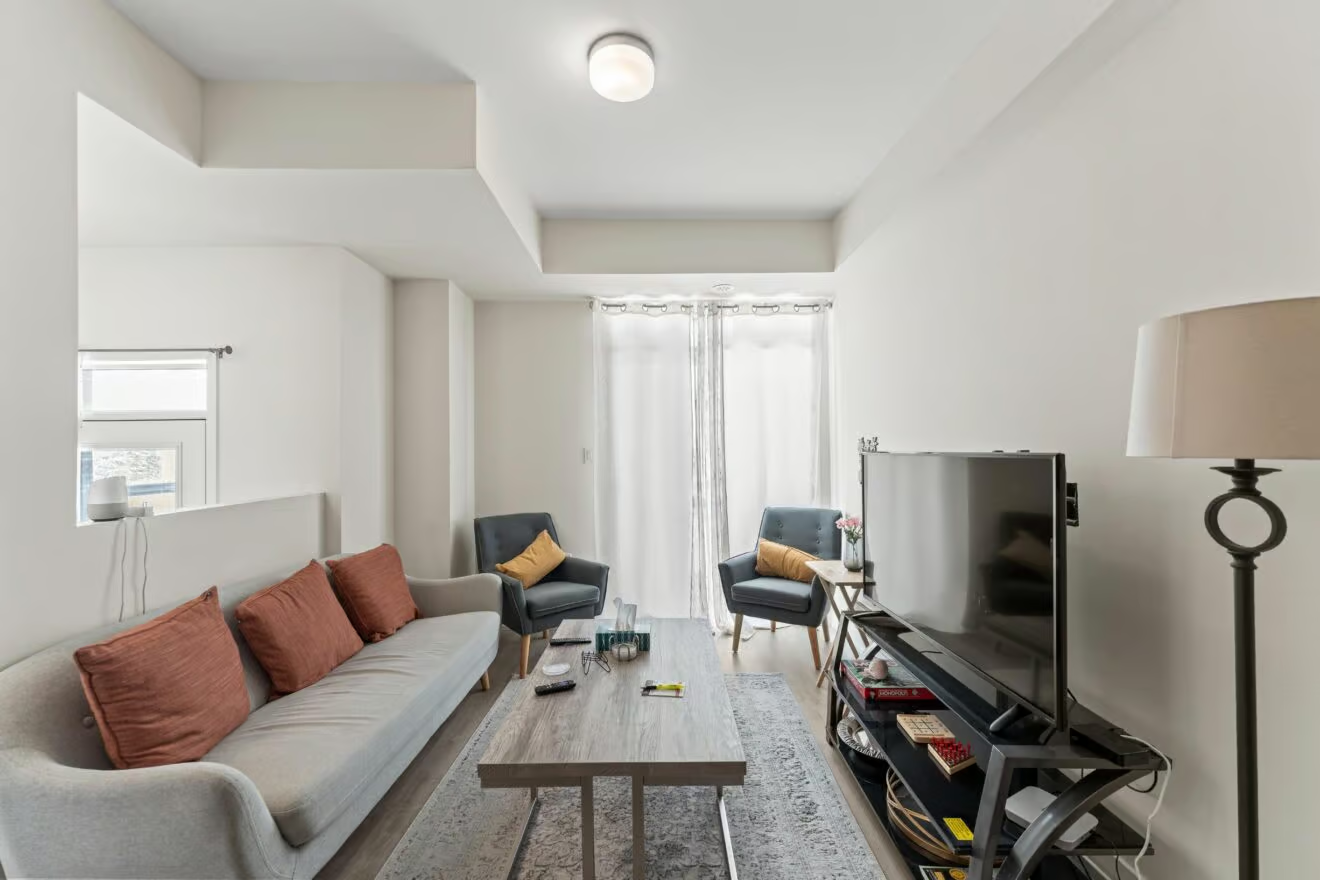
Walking through an open house feels exciting — new rooms to explore, fresh paint smell, and the thrill of imagining your life in a new home. But that excitement is exactly why so many buyers walk out without asking the questions that really matter. By the time the showing ends and emotions cool down, it’s often too late.
Whether you’re a first-time buyer or a seasoned homeowner, this guide covers the open house questions most buyers completely forget to ask — and explains why each one matters to your bottom line, your safety, and your peace of mind.
Why the Questions You Ask at an Open House Matter More Than You Think
An open house isn’t just a showing — it’s one of your best opportunities to gather critical information before you make one of the biggest financial decisions of your life. The listing agent is present, the home is accessible, and you have a legitimate reason to ask detailed questions. Most buyers squander this window by only commenting on countertops and closet space.
Smart buyers treat every open house like a job interview — for the house. Here are the questions that separate informed buyers from the ones who get surprised after closing.
1. How Long Has the Home Been on the Market — and Has the Price Been Reduced?
This is one of the most telling questions you can ask, and most buyers forget it entirely. Days on market (DOM) is a powerful negotiating signal. A home that’s been sitting for 60, 90, or 120+ days is telling you something — maybe the price is too high, maybe there are issues, or maybe the seller has already gotten flexible on terms.
If the price has been reduced once or more, that’s even more leverage in your hands. Ask the agent directly: “Has the price been adjusted since it listed?” They’re required to be truthful, and the answer shapes your entire offer strategy.
2. Why Is the Seller Moving?
This is the question almost no buyer asks out loud — but it’s one of the most valuable. The seller’s motivation tells you everything about how much room you have to negotiate. A job relocation, a divorce, or an estate sale often means the seller needs to move quickly, which creates opportunity for buyers.
The listing agent may not be able to share everything, but even a vague answer like “they’re downsizing” or “relocating for work” gives you valuable context. It’s worth asking.
3. How Old Is the Roof, Furnace, and HVAC System?
This is the big one that buyers forget — and it can cost them thousands. Roofs typically last 20–30 years depending on material. Furnaces average 15–20 years. Central air conditioners usually last 10–15 years. A water heater? About 8–12 years.
If the home has a 25-year-old roof and an original furnace, you could be looking at $15,000–$25,000 in major replacements within the first few years of ownership. Ask the listing agent for the age of every major mechanical system — and ask if there are any maintenance or service records available. A well-maintained home will have documentation. A neglected one won’t.
4. Has the Home Had Any Water Damage, Flooding, or Mold Issues?
Water is a home’s worst enemy, and signs of past water damage are often painted over, patched up, or hidden behind finished walls before an open house. Don’t just look for obvious water stains — ask the question directly.
Sellers are legally required to disclose known material defects in most provinces and states, but buyers still need to ask. Look at the basement carefully for efflorescence (white mineral deposits on concrete), musty smells, or fresh paint on lower walls. These can be signs of recurring moisture issues. A home inspector will go deeper, but your questions at the open house can flag a red flag before you even get that far.
5. Are There Any Active Offers or Competing Buyers?
Knowing the competitive landscape changes everything about how you approach a home. If there are already two offers on the table, you’ll need to decide quickly and strategically. If there are zero offers and the home has been sitting, you have breathing room.
Listing agents aren’t always obligated to reveal offer counts, but in most cases they will share whether an offer exists. Ask clearly: “Are there any offers currently registered on the property?” This one question could be the difference between a winning offer and losing the home.
6. What’s Included in the Sale?
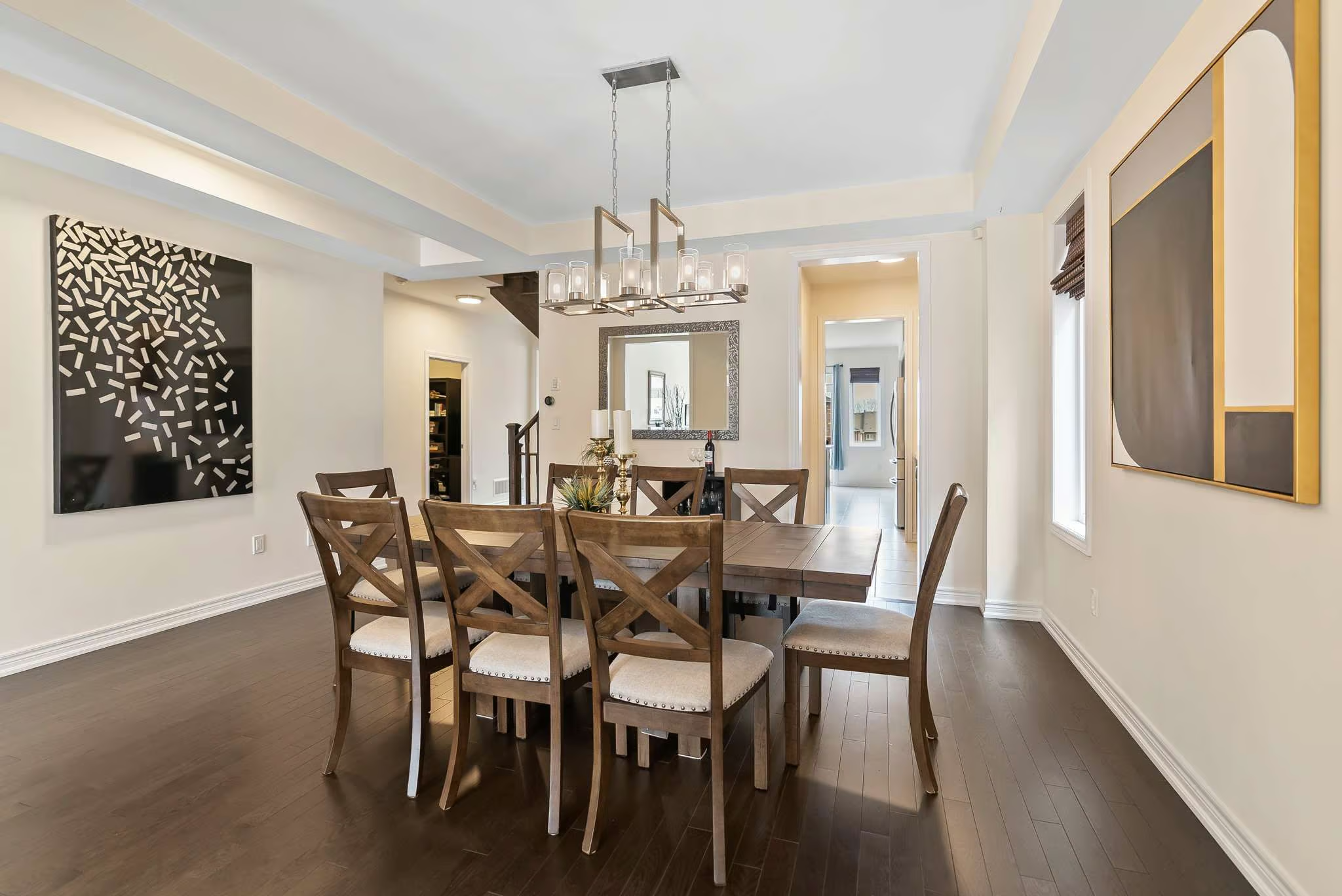
What you see at an open house isn’t always what you get. That gorgeous chandelier in the dining room? The custom built-in shelving? The backyard gazebo? These items may or may not be included in the sale — and buyers are often shocked to discover after the fact that they’ve been excluded from the listing.
Always ask the agent to walk you through what’s included and what’s excluded. Appliances are the most common sticking point — fridges, washers, dryers, and dishwashers are not automatically included unless specified in the agreement. Know before you fall in love.
7. Has This Home Been Renovated — and Were Permits Pulled?
This is a question most buyers never think to ask, but it can carry enormous legal and financial consequences. Renovations done without permits — a finished basement, an added bathroom, a structural wall removal — may not be up to code. That means they could need to be redone at your expense, or worse, flagged when you try to sell or insure the home.
Ask whether any major work has been done and if permits were obtained. You can also verify this yourself through your local municipality before making an offer. If permits are missing for significant work, that’s a major negotiating point or a potential deal-breaker.
8. What Are the Monthly Utility and Maintenance Costs?
The purchase price is only part of the real cost of owning a home. Heating, cooling, water, and electricity bills vary enormously from house to house depending on insulation, age of windows, heating system efficiency, and square footage. A beautiful old Victorian home might come with beautiful drafts and a $500/month gas bill in winter.
Ask the agent if they can share average utility costs from the seller. Some will have that information readily available — especially if they’re proactively trying to demonstrate the home is cost-efficient. If not, you can request utility records as a condition during your offer.
9. What Is the Neighbourhood Really Like — Day and Night?
An open house typically happens on a weekend afternoon when neighbourhoods look their best. Ask the agent what the area is like on a Tuesday evening or a Saturday night. Are there nearby bars, transit hubs, or nightlife venues that change the feel after hours? What are the neighbours like? How’s street parking?
Beyond the agent’s answer, make a point of returning to the neighbourhood at different times of day before you submit an offer. Drive through at night. Walk around on a weekday morning. The neighbourhood you experience at an open house isn’t always the neighbourhood you’ll live in.
10. Is This a Flip — and How Long Has the Current Owner Owned It?
A short ownership period — especially 6 to 18 months — is a signal worth investigating. Sometimes a home has been purchased, renovated cosmetically, and relisted quickly for a profit. Flip renovations vary enormously in quality. Some are done by skilled professionals. Others are done cheaply to maximize margin, with shortcuts in wiring, plumbing, and structural work that won’t show up until after you move in.
Asking how long the seller has owned the home is a completely reasonable question. If the home has changed hands recently, budget for a thorough home inspection from a qualified inspector who knows what to look for in flipped properties.
11. Are There Any Upcoming Special Assessments or HOA Issues? (For Condos and Townhomes)
If you’re shopping for a condo, townhouse, or any property with a homeowners association, this question is essential. Special assessments — one-time fees levied by the condo board to cover major repairs like a roof replacement or parking garage restoration — can run from hundreds to tens of thousands of dollars per unit.
Ask the listing agent about the status of the reserve fund, any known upcoming assessments, and the current monthly HOA or condo fees. You should also request the most recent status certificate before making an offer, as it will outline the financial health of the building.
12. What Schools Serve This Address — and How Are They Rated?
Even if you don’t have children, school district quality directly affects resale value. Homes in well-regarded school districts consistently command higher prices and sell faster. Always confirm which specific schools serve the exact address — not just the neighbourhood — because boundaries can be drawn at the street level.
Don’t rely on general neighbourhood reputation. Verify the address against the actual school board boundary maps. This matters both for your family’s needs and your long-term investment.
13. Has the Home Been Tested for Radon, Asbestos, or Lead Paint?
Older homes — particularly those built before 1980 — may contain asbestos in insulation, floor tiles, or ceiling texture. Homes built before 1978 may have lead paint. Radon, a naturally occurring radioactive gas, is present in elevated levels in many parts of Canada and the United States and is the second leading cause of lung cancer.
These are not deal-breakers on their own, but they are important to know before you commit. Ask if any environmental testing has been done and if reports are available. If not, include environmental inspection conditions in your offer.
Pro Tips: How to Make the Most of Your Open House Visit
- Bring a notepad or use your phone to record answers — you’ll visit multiple homes and details blur together fast.
- Test everything you can — run the taps, flush the toilets, check water pressure, open and close every window and door, and flip light switches.
- Check the basement and attic if accessible — these areas reveal more about a home’s true condition than any staged living room ever will.
- Look up, not just around — ceiling stains, hairline cracks, and sagging are easy to miss when you’re focused on the kitchen.
- Ask for the disclosure statement — sellers in most jurisdictions are required to complete one, and it can reveal known issues in black and white.
The Bottom Line
An open house is not just a tour — it’s due diligence. The buyers who ask the right questions leave with knowledge that protects them. The buyers who don’t ask walk away with excitement — and sometimes, expensive surprises after the keys are handed over.
If you’re ready to start your home search or want guidance on what to look for in today’s market, Team Rajpal is here to help. Our experienced agents know the right questions to ask on your behalf — and the answers to look for. Contact us today to get started.

Have Questions?
Reach out to our experts! Whether you need help with a transaction or you’re just looking for market information, we’re here to help.