





February 16, 2026 | Uncategorized
What upgrades do not add value when selling
What upgrades do not add value when selling is an important question homeowners should ask before investing money into renovations. Many sellers assume that any improvement will increase their home’s value, but that is not always true. Some upgrades cost thousands of dollars yet add little to no return when it is time to sell.
Understanding which improvements rarely boost resale value can save you time, money, and frustration.
What Upgrades Do Not Add Value When Selling Luxury Additions
High end luxury additions are one of the most common answers to what upgrades do not add value when selling. Installing premium features in a neighborhood where buyers expect mid range finishes can result in overspending.
Examples include:
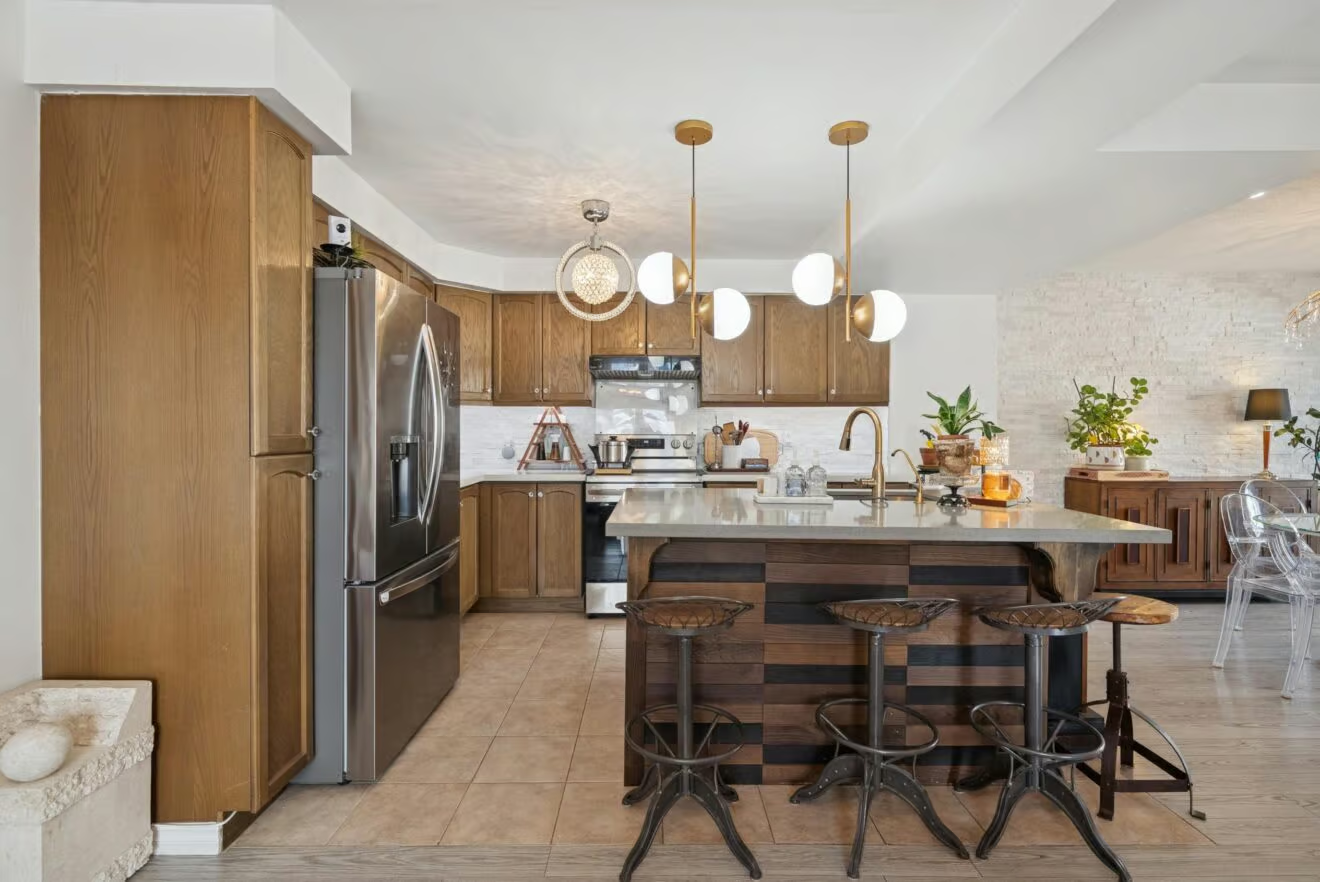
High end custom kitchens in modest homes
Luxury spa bathrooms in entry level properties
Premium appliances far above neighborhood standards
Buyers compare homes within the same area. Over improving beyond the neighborhood ceiling rarely delivers a full return.
Highly Personalized Renovations
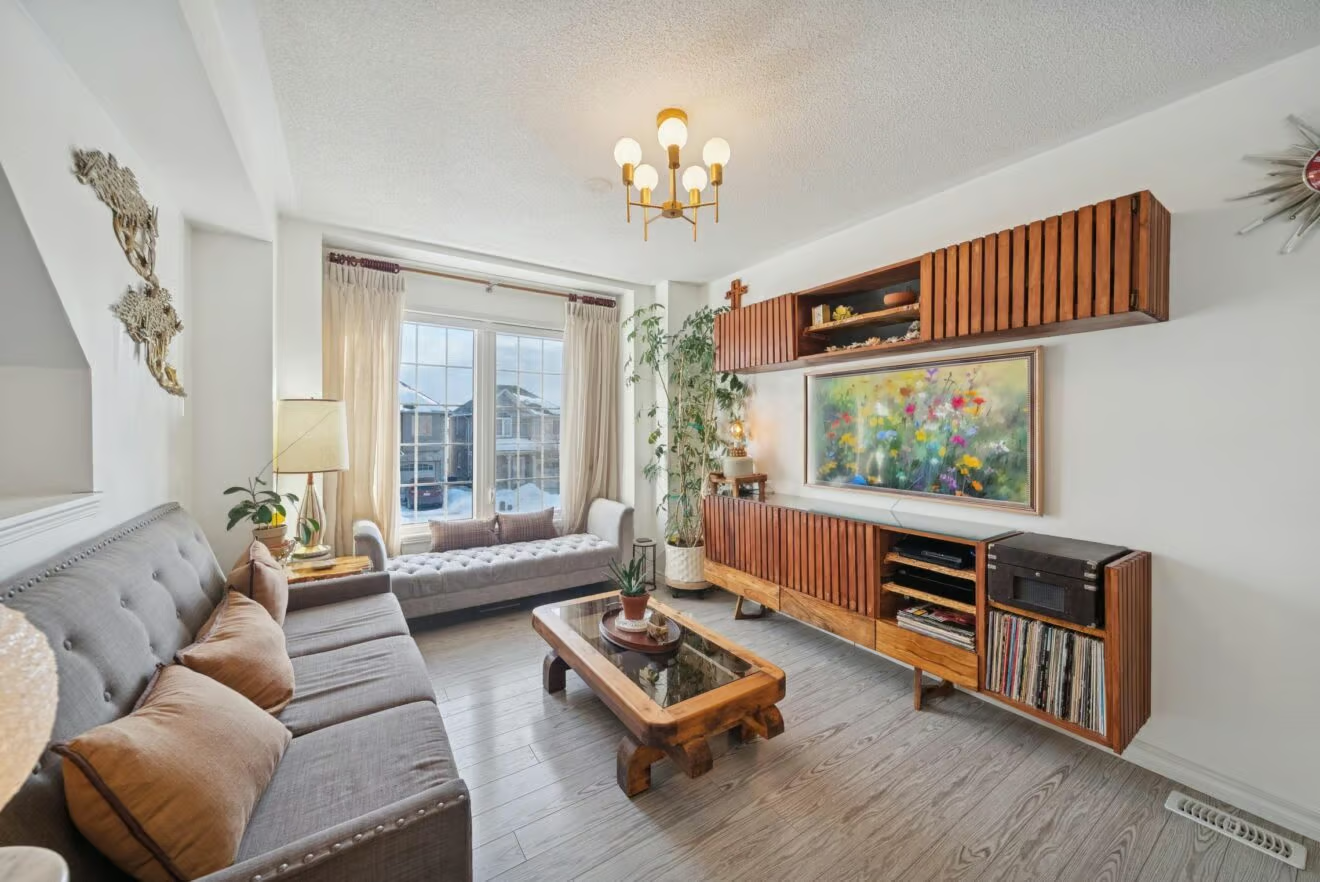
Highly customized upgrades are another category of what upgrades do not add value when selling. Renovations that reflect personal taste may not appeal to most buyers.
Examples include:
Bold paint colors
Unusual tile patterns
Built in specialty rooms
Elaborate themed decor
Buyers want neutral spaces where they can imagine their own style. Personal upgrades often require buyers to plan changes, which can reduce offers.
Over the Top Landscaping
While curb appeal matters, extremely expensive landscaping projects often do not provide a full return.
Examples include:
Exotic gardens requiring high maintenance
Extensive water features
Custom outdoor structures that limit yard space
Basic landscaping maintenance and cleanliness help, but excessive spending on complex outdoor features rarely increases sale price proportionally.
Wall to Wall Carpeting Replacement in Neutral Homes
Replacing old or damaged flooring can be valuable, but installing expensive carpet in areas where buyers prefer hard surfaces may not add value.
Many buyers today prefer hardwood or durable flooring options. Installing mid range materials is often more cost effective than premium upgrades that do not match buyer demand.
Swimming Pools in Some Markets
Swimming pools can be desirable in certain climates, but in many markets they fall into the category of what upgrades do not add value when selling.
Pools require maintenance, insurance considerations, and ongoing costs. Some buyers see them as liabilities rather than assets.
Before installing a pool, consider whether most buyers in your area view it as a benefit or a burden.
Converting Bedrooms Into Specialized Spaces
Turning a bedroom into a home gym, office, or large walk in closet may suit your lifestyle, but it can reduce appeal.
Bedroom count often impacts value directly. Reducing functional bedrooms for specialized use can limit your buyer pool.
Keeping rooms flexible increases market appeal.
Garage Conversions
Converting a garage into living space is another example of what upgrades do not add value when selling in many markets.
While it may increase interior square footage, buyers often value garage parking and storage. Removing this feature can hurt resale value.
Solar Panels Without Clear Financial Benefit
Solar panels can be attractive to some buyers, but they do not always increase resale value enough to cover installation cost.
If solar panels are leased or financed, they can complicate the sale process. Buyers may be hesitant to assume contracts or ongoing payments.
Partial Renovations
Starting renovations but not completing them is one of the most damaging mistakes sellers make.
Partially updated kitchens or unfinished basements often lower perceived value rather than increase it.
If a project cannot be completed properly, it may be better not to start it before selling.
What Sellers Should Focus On Instead
Instead of investing in upgrades that do not add value, sellers should focus on improvements that increase buyer confidence.
These include:
Basic repairs
Fresh neutral paint
Cleanliness and decluttering
Minor cosmetic updates
Improved lighting
Simple, cost effective updates often provide better returns than major renovations.
Common Questions About Renovations Before Selling
Q: Should I renovate my kitchen before selling
A: Full renovations are not always necessary. Minor updates such as hardware, lighting, and paint often provide better returns.
Q: Do buyers pay more for high end finishes
A: Only if those finishes align with neighborhood expectations and buyer demand.
Q: Is it better to sell as is
A: Minor preparation and repairs usually improve value more than selling without any updates.
Q: How do I know if an upgrade is worth it
A: Compare renovation cost to realistic resale value in your specific market.
Final Thoughts on What Upgrades Do Not Add Value When Selling
So what upgrades do not add value when selling Expensive luxury additions, highly personalized changes, garage conversions, pools in certain markets, and incomplete renovations often fail to deliver strong returns.
Before investing in major improvements, focus on practical updates that make your home clean, neutral, and move in ready. Smart preparation attracts stronger offers and avoids unnecessary spending.

Have Questions?
Reach out to our experts! Whether you need help with a transaction or you’re just looking for market information, we’re here to help.