





February 16, 2026 | Uncategorized
Why some homes sit on the market
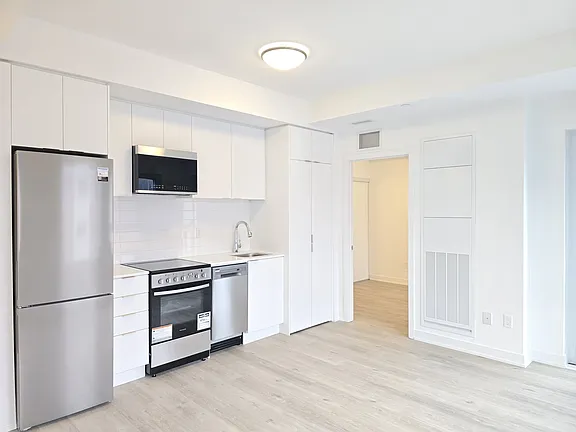
Why some homes sit on the market is a question many frustrated sellers ask after weeks or months without strong offers. When a property lingers without selling, it often becomes stigmatized. Buyers begin to wonder what is wrong with it, even if nothing is seriously wrong.
Understanding why some homes sit on the market can help sellers avoid the most common mistakes and position their property correctly from day one.
Why Some Homes Sit on the Market Because of Overpricing
The most common answer to why some homes sit on the market is overpricing.
Sellers often price based on what they hope to get rather than what the market supports. While it may seem logical to start high and reduce later, overpricing can cause serious damage.
When a home is overpriced:
Fewer buyers schedule showings
The listing becomes stale
Price reductions create skepticism
Buyers assume something is wrong
The longer a home sits, the more negotiating power buyers gain.
Poor Presentation and First Impressions
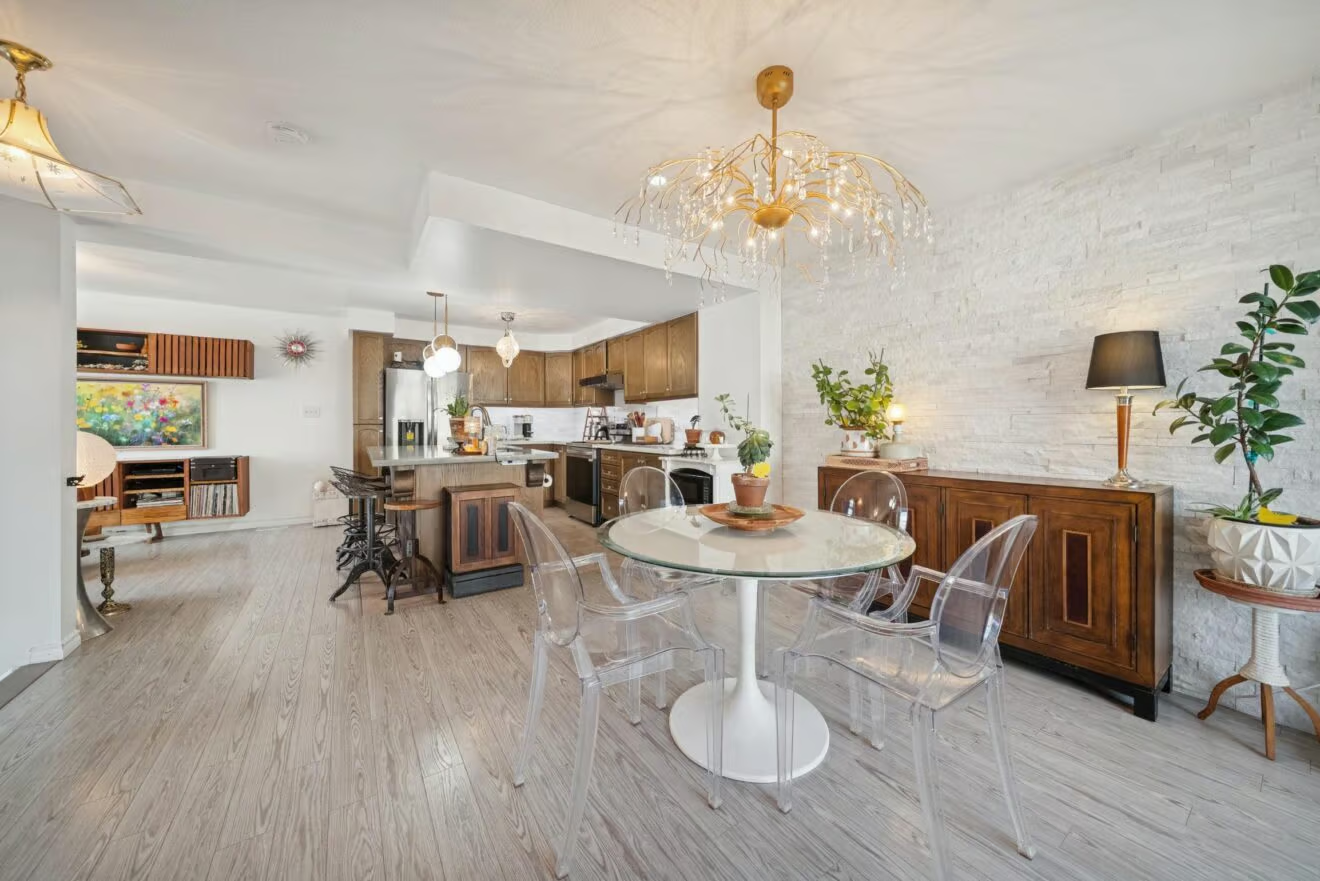
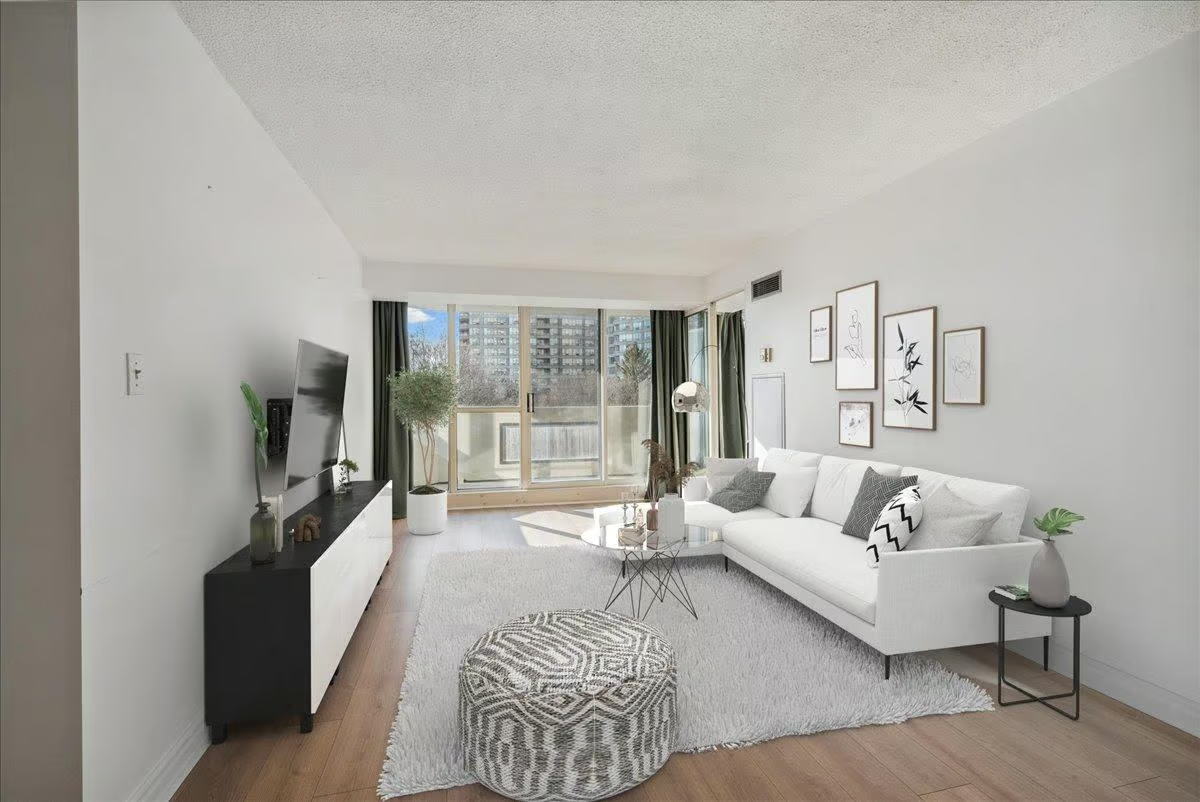
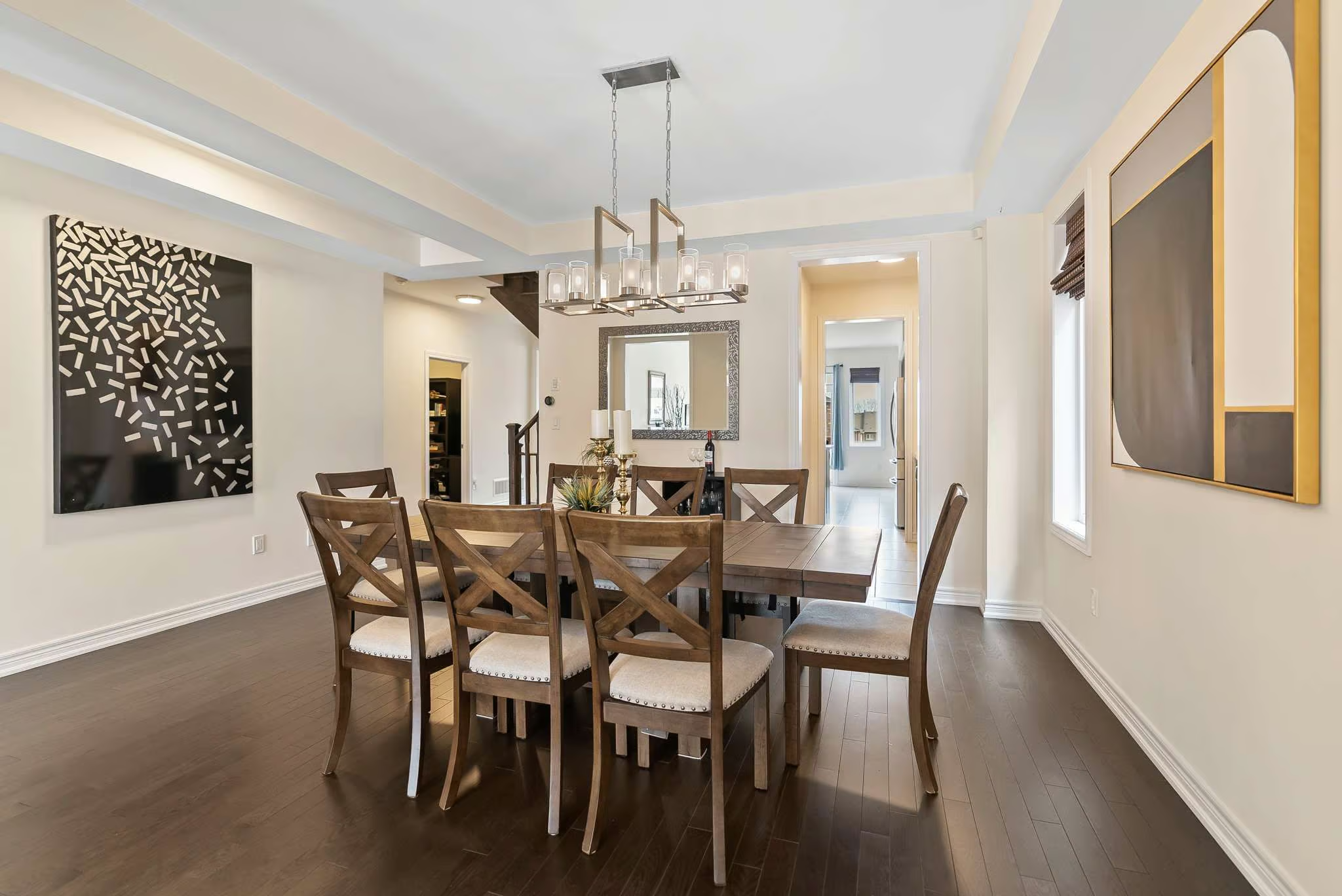
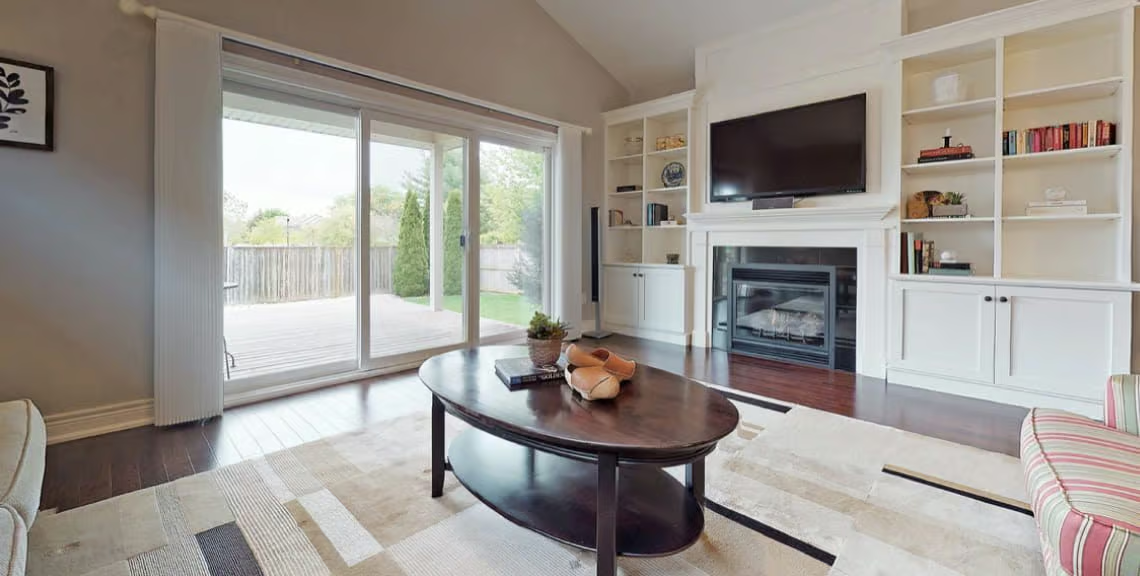
Another major reason why some homes sit on the market is poor presentation.
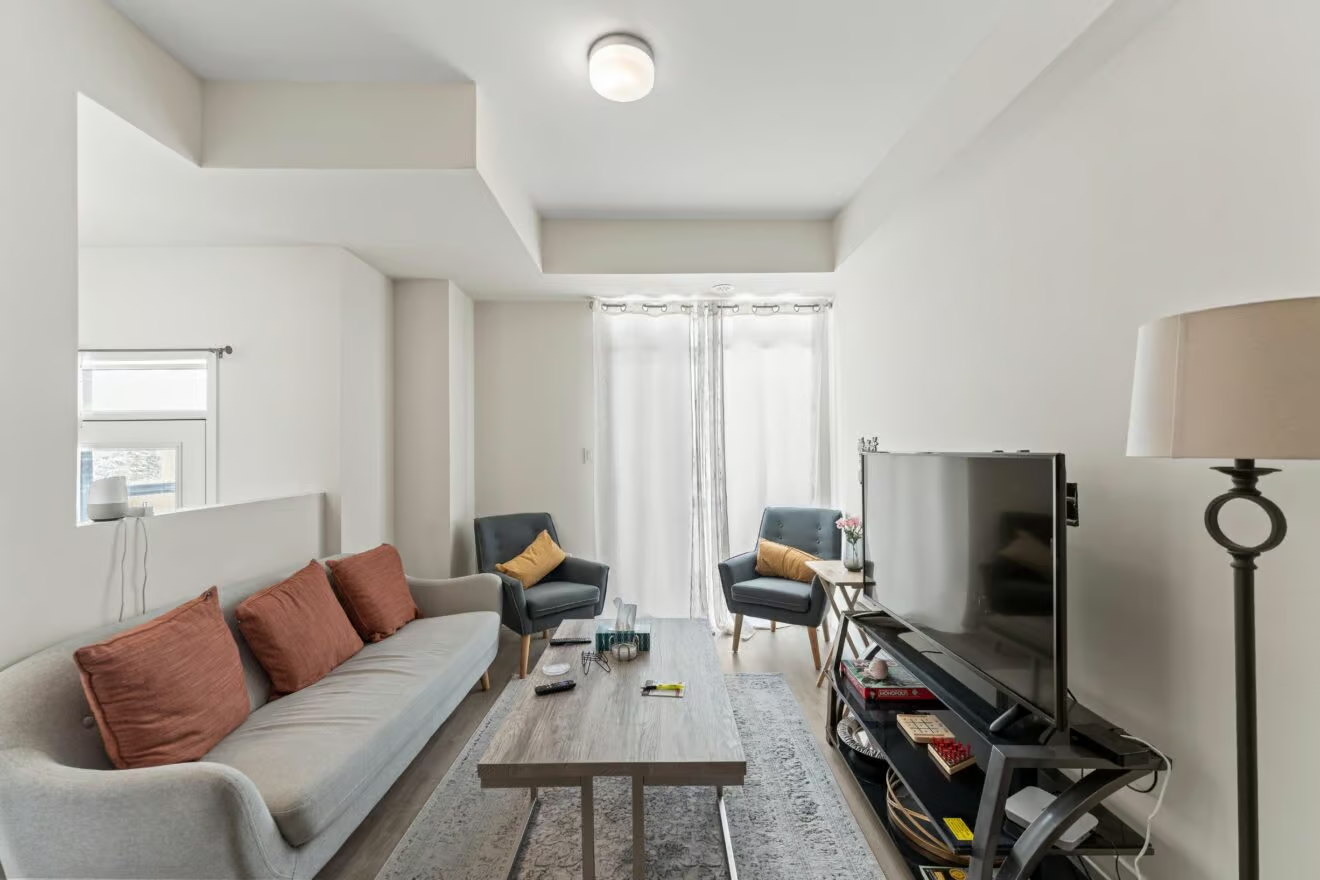
Buyers form opinions quickly. If a home is cluttered, poorly lit, or outdated in appearance, buyers may move on before considering the potential.
Common presentation issues include:
Cluttered rooms
Strong personal decor
Unfinished repairs
Poor curb appeal
Low quality listing photos
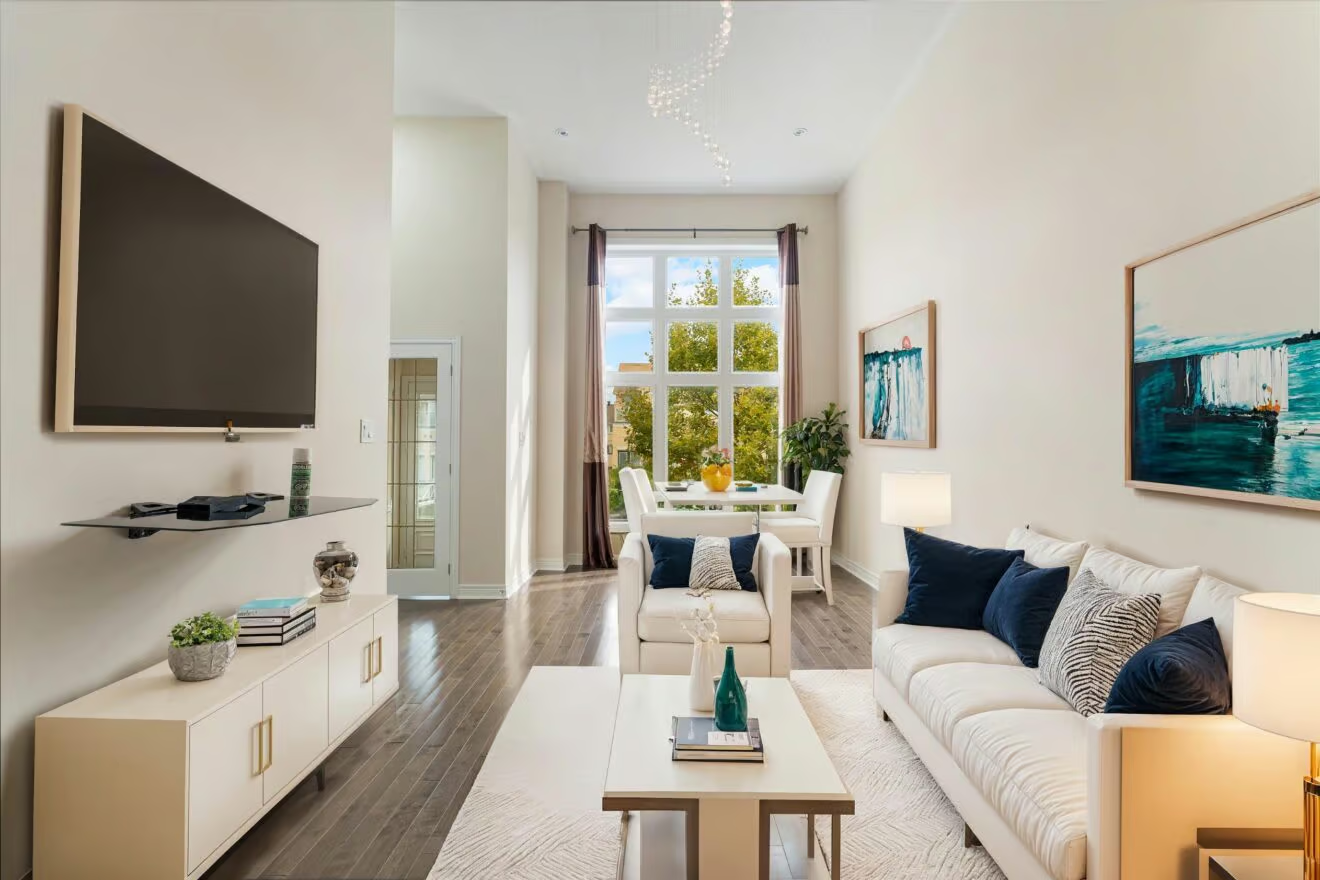
Even in a slower market, clean and well presented homes tend to perform better.
Weak Marketing Strategy
In today’s market, visibility matters. If buyers do not see your home, they cannot make an offer.
Why some homes sit on the market often comes down to limited exposure. Poor photography, lack of staging, or weak listing descriptions can reduce interest dramatically.
Homes need strong online presentation, accurate details, and broad exposure to attract serious buyers.
Ignoring Market Conditions
Market conditions shift. When supply increases and demand softens, sellers must adjust expectations.
If it is a buyer market, buyers have more options and negotiate more aggressively. Sellers who price and present their homes as if it is a strong seller market often struggle.
Adapting to current conditions is critical.
Limited Showing Availability
Buyers need access. If showings are restricted to limited hours or certain days, potential buyers may move on.
Flexible access increases opportunity. Restrictive showing schedules reduce exposure and urgency.
Property Condition Issues
Sometimes why some homes sit on the market comes down to condition.
Homes with visible maintenance issues can scare buyers. Even small problems such as peeling paint, leaky faucets, or worn flooring create doubt about larger hidden issues.
Buyers often assume that if small repairs are neglected, bigger problems may exist.
Unfavorable Layout or Location Factors
Not every home appeals to every buyer. Busy streets, unusual layouts, or proximity to noise can limit demand.
While these factors cannot always be changed, pricing must reflect them realistically.
Ignoring property limitations when pricing often leads to extended market time.
Emotional Pricing Decisions
Sellers often have emotional attachments to their homes. Memories and personal investments influence perceived value.
However, buyers evaluate homes based on comparable sales and available options. Emotional pricing is one of the hidden reasons why some homes sit on the market longer than necessary.
Price Reductions and Buyer Psychology
Frequent price reductions can create hesitation among buyers. Instead of generating urgency, repeated reductions may signal desperation or hidden problems.
Pricing correctly from the beginning reduces the need for multiple adjustments and protects perceived value.
Common Questions About Why Some Homes Sit on the Market
Q: Does a long time on market hurt a home’s value
A: Yes. Buyers often assume there is an issue and may offer less.
Q: Should I start high and reduce later
A: This strategy often backfires. Accurate pricing from the start attracts stronger interest.
Q: Can staging really make a difference
A: Yes. Presentation significantly impacts buyer perception and offers.
Q: How long is too long on the market
A: This depends on local conditions, but extended time compared to similar homes is a warning sign.
Final Thoughts on Why Some Homes Sit on the Market
So why some homes sit on the market The most common reasons are overpricing, poor presentation, weak marketing, limited access, and failure to adjust to current conditions.
The good news is that most of these issues are preventable. With proper pricing, preparation, and strategy, homes are far more likely to attract serious buyers and sell within a reasonable timeframe.

Have Questions?
Reach out to our experts! Whether you need help with a transaction or you’re just looking for market information, we’re here to help.